Epidaurus
Epidaurus is home to the ancient theatre most renowned in Greece for its exceptional acoustics, at the heart of a sanctuary dedicated to Asclepius, god of medicine. The site, a UNESCO World Heritage Site, also includes an archaeological museum.
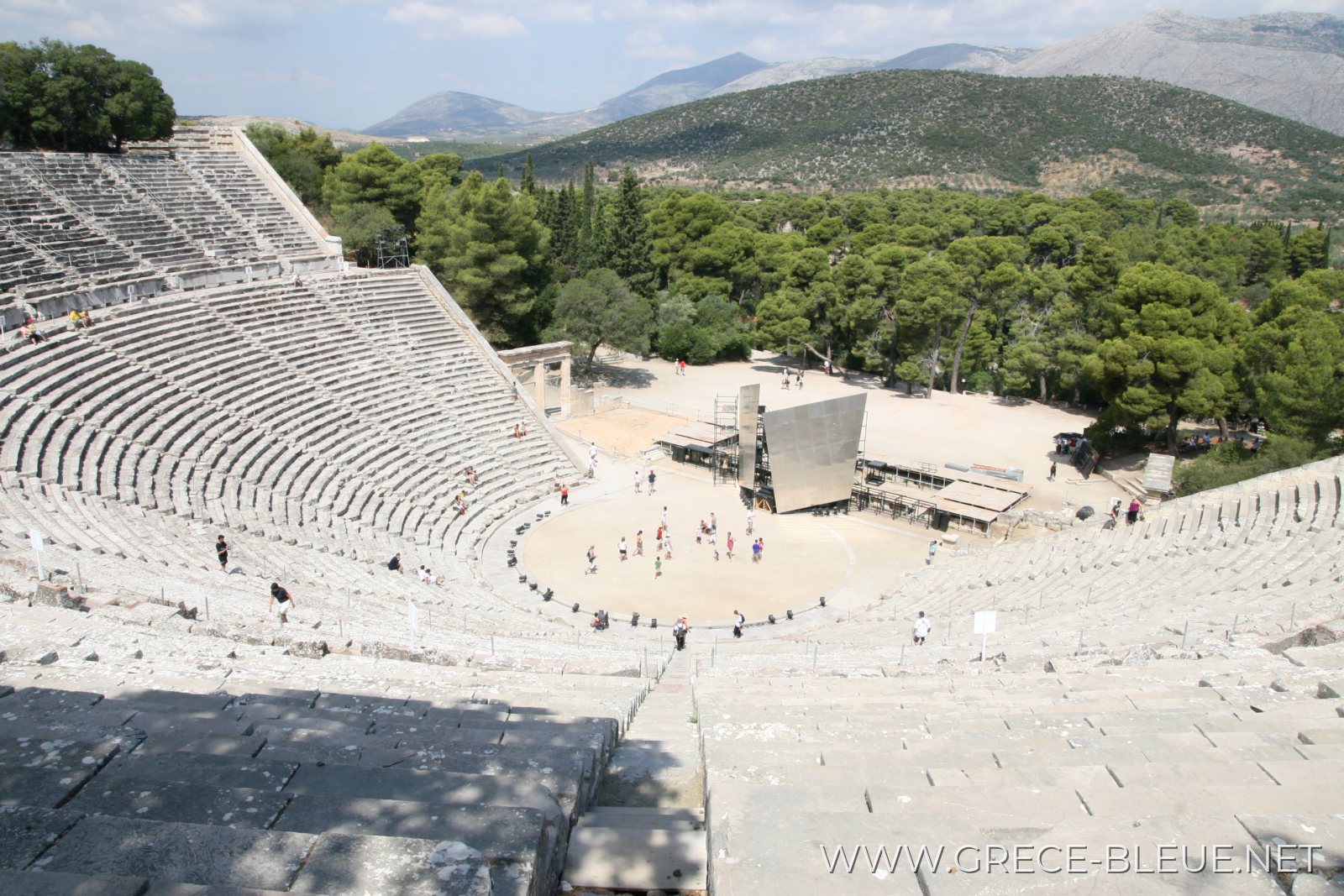
Epidaurus, the Sanctuary of Asclepius and its Ancient Theatre
In the heart of the wooded hills of the Argolid, the archaeological site of Epidaurus is one of the most remarkable ancient complexes in Greece. It is best known for its exceptionally well-preserved 4th-century BC theatre, but this was part of a vast sanctuary dedicated to Asclepius, the Greek god of medicine. For centuries, the sick and pilgrims flocked from all over the Greek world to seek healing there.
Inscribed on the UNESCO World Heritage List, the sanctuary brought together temples, healing buildings, accommodation, baths, sports facilities and performance venues. A visit thus reveals not only one of the masterpieces of Greek architecture, but also the way the ancients combined religion, medicine, hygiene, physical exercise and cultural life.
Beyond the setting of its famous theatre, between the monumental tiers, the remains of the Abaton, the Tholos, the temples, the stadium and the museum, the site preserves an exceptionally complete picture of one of the greatest religious and healing centres of the ancient world.
The Ancient Theatre of Epidaurus
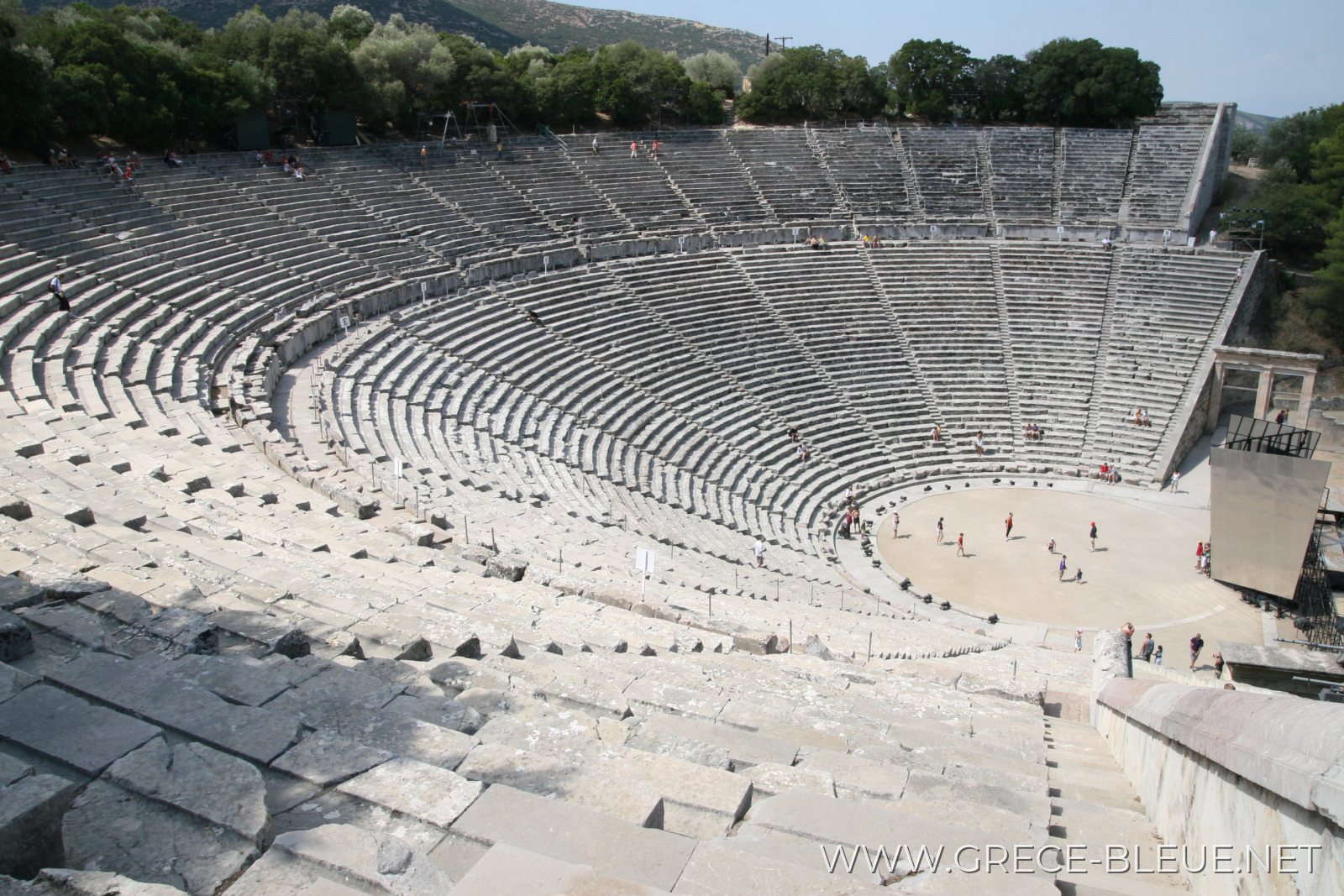
Ancient Theatre of Epidaurus
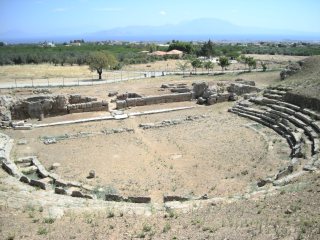
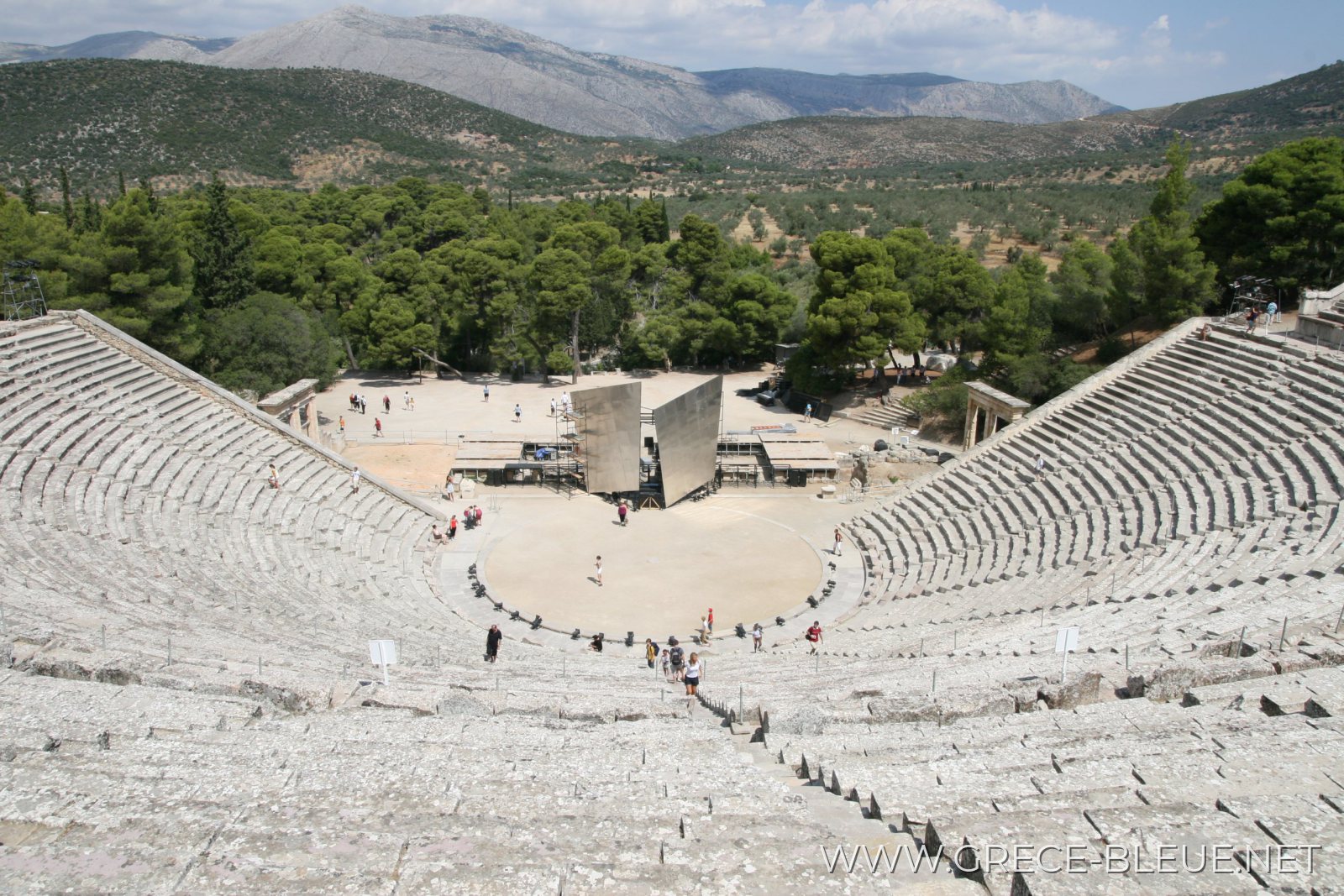
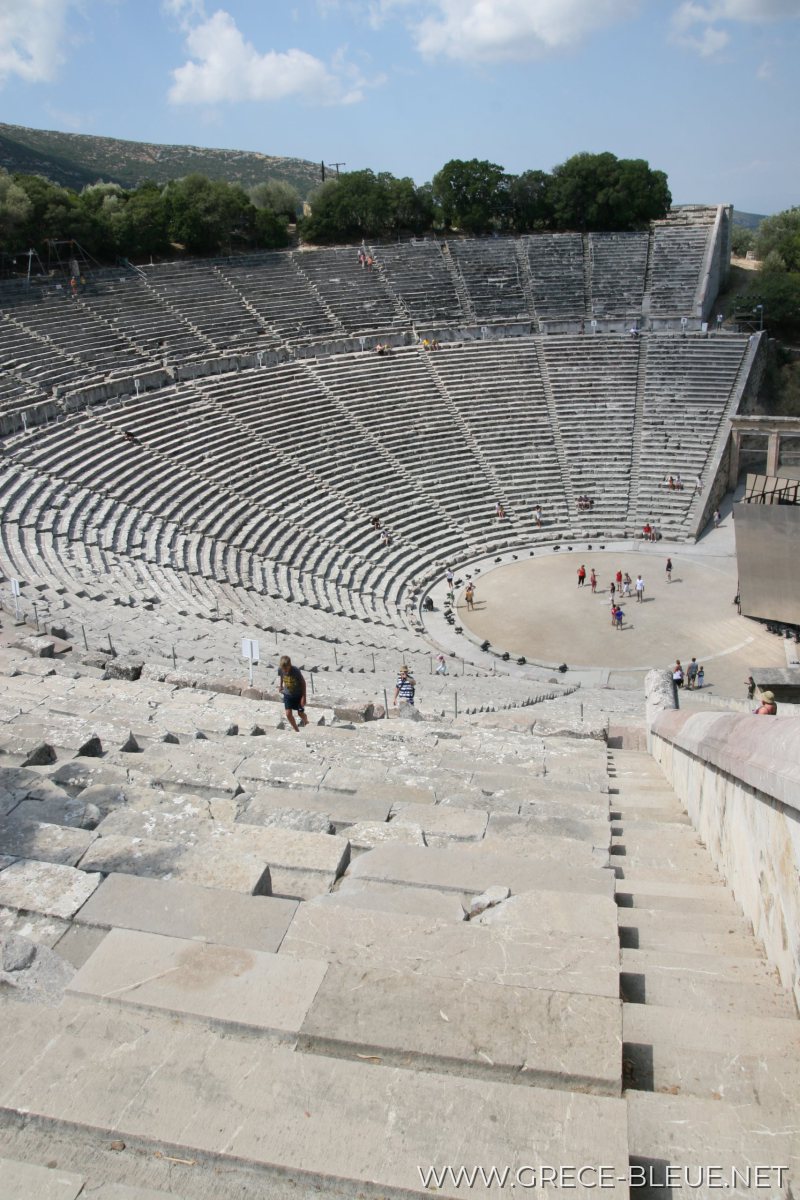
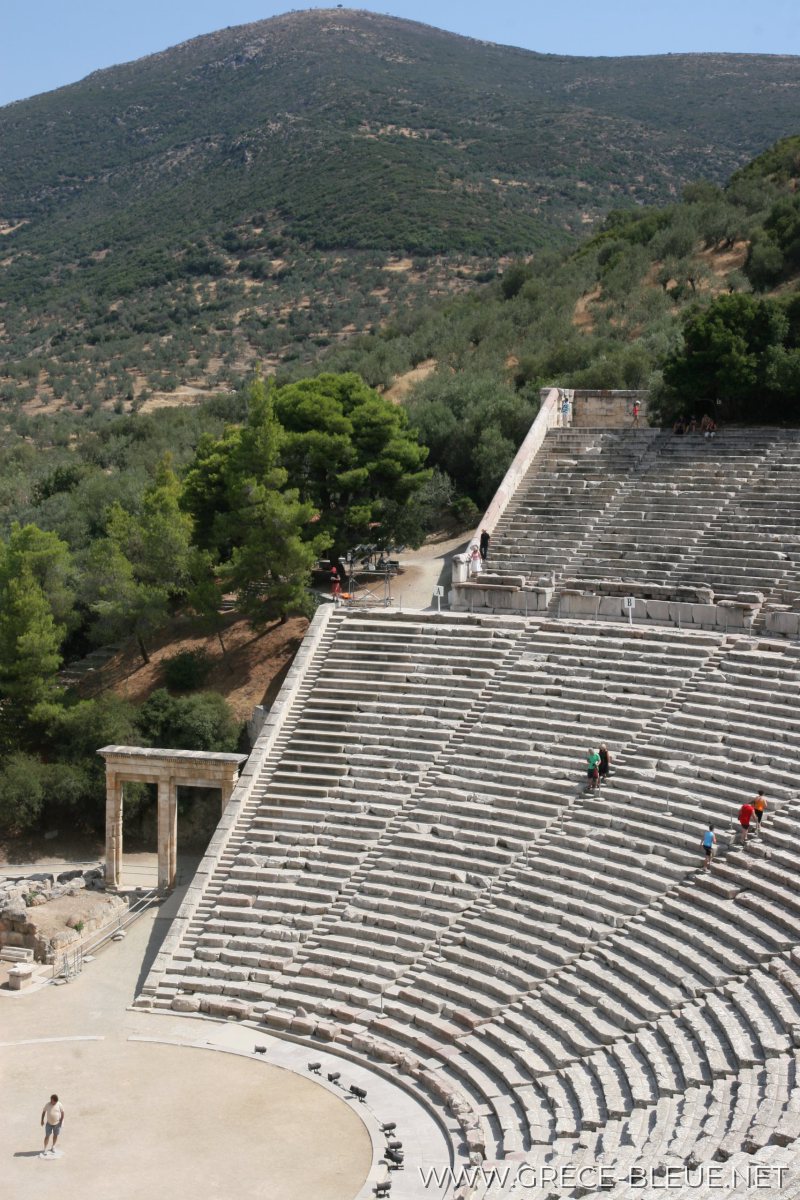
Nestled naturally into the side of a hill, the theatre of Epidaurus★★★ is the most spectacular monument on the site. Built in the 4th century BC and traditionally attributed to Polykleitos the Younger, an architect from Argos, it stands out for the harmony of its proportions and its almost perfect integration into the landscape.
The stone tiers surround a vast circular orchestra, once the heart of theatrical and musical performances. Enlarged in the Hellenistic period, the theatre could hold several thousand spectators. Its reputation rests in particular on its exceptional acoustics: the shape of the cavea and the arrangement of the tiers allow the voice to carry with remarkable clarity even to the upper sections.
Unlike many ancient theatres reduced to their foundations, the theatre of Epidaurus still preserves much of its seating and monumental access ways. It is not merely an archaeological remnant: since 1955, it has once again hosted performances of ancient drama as part of the Athens and Epidaurus Festival.
The Sanctuary of Asclepius, an Ancient Healing Centre
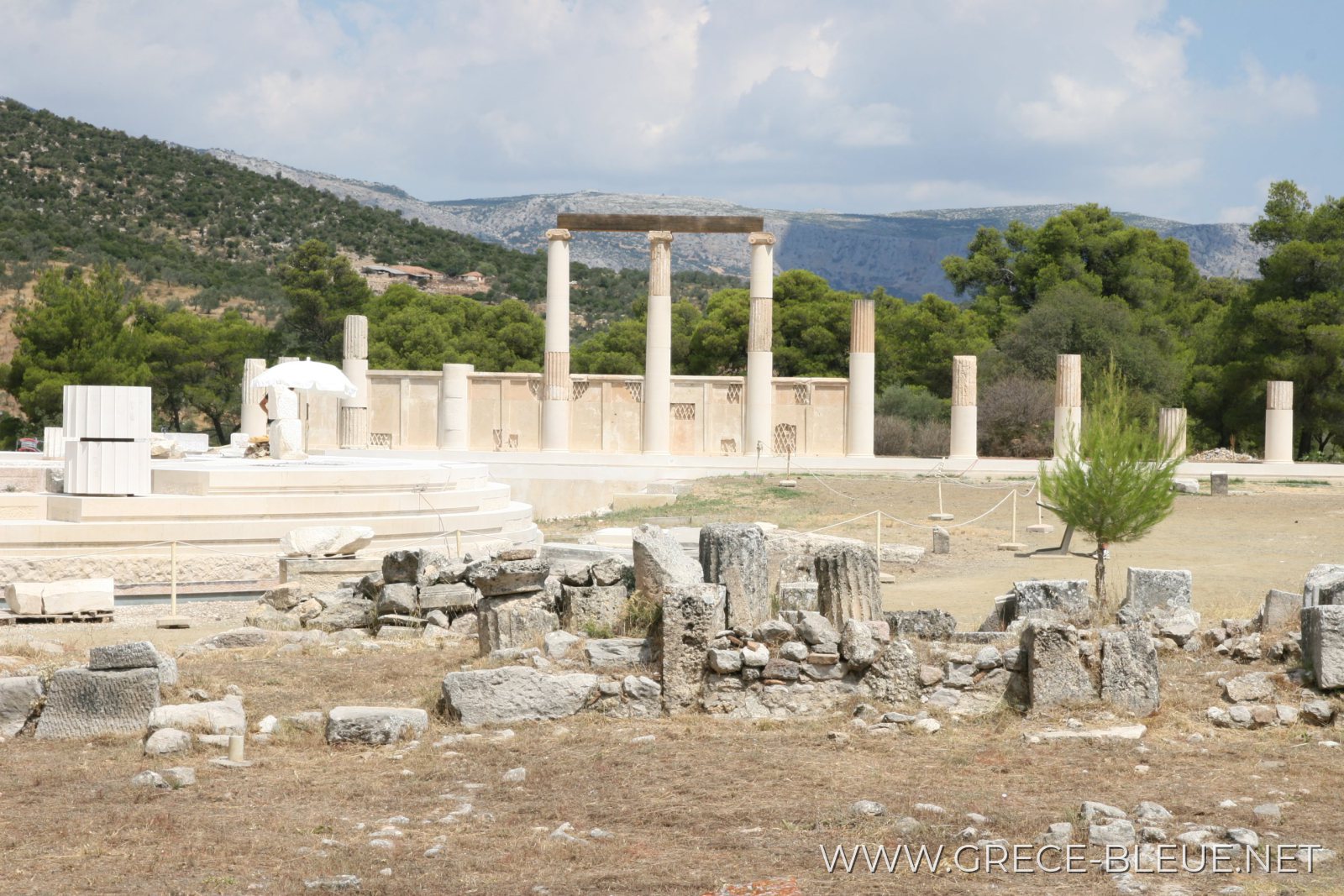
Sanctuary of Asclepius
The theatre was only one part of the vast Asclepieion of Epidaurus. The cult of Asclepius developed there from the 6th century BC, on a site previously associated with Apollo Maleatas. From the 4th century BC onwards, Epidaurus became the most prestigious of the healing sanctuaries dedicated to the god and served as a model for many Asclepieia founded throughout the Greek and later Roman world.
At Epidaurus, healing did not mean merely waiting for a miracle. Religious practices were accompanied by baths, physical exercise, dietary regimens and probably medical treatments. The sanctuary thus illustrates a period when rational medicine and belief in divine intervention coexisted closely.
The archaeological route reveals the layout of this true healing complex. At its centre stood the temple of Asclepius, built in the 4th century BC, which once housed a large chryselephantine statue of the god seated on a throne. Nearby were the temple of Artemis, several altars and buildings intended for ceremonies and pilgrims.
One of the essential buildings was the Abaton★, or Enkoimeterion, a long gallery where the sick practiced incubation. After preparatory rites and purifications, they spent the night there awaiting a dream in which Asclepius might appear, heal the patient directly, or indicate the treatment to follow. Stelae found on site recounted stories of healings attributed to the god.
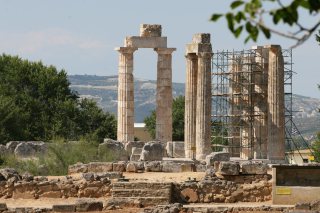
Very close by is the mysterious Tholos★★, or Thymele, a circular building from the 4th century BC, part of which is now restored. Its particularly elaborate architecture combined an outer Doric colonnade, Corinthian interior decoration, and a complex underground system of concentric corridors. Its exact function remains debated, but it was probably closely linked to the cult of Asclepius and its rites.
Stadium, baths, and sanctuary buildings
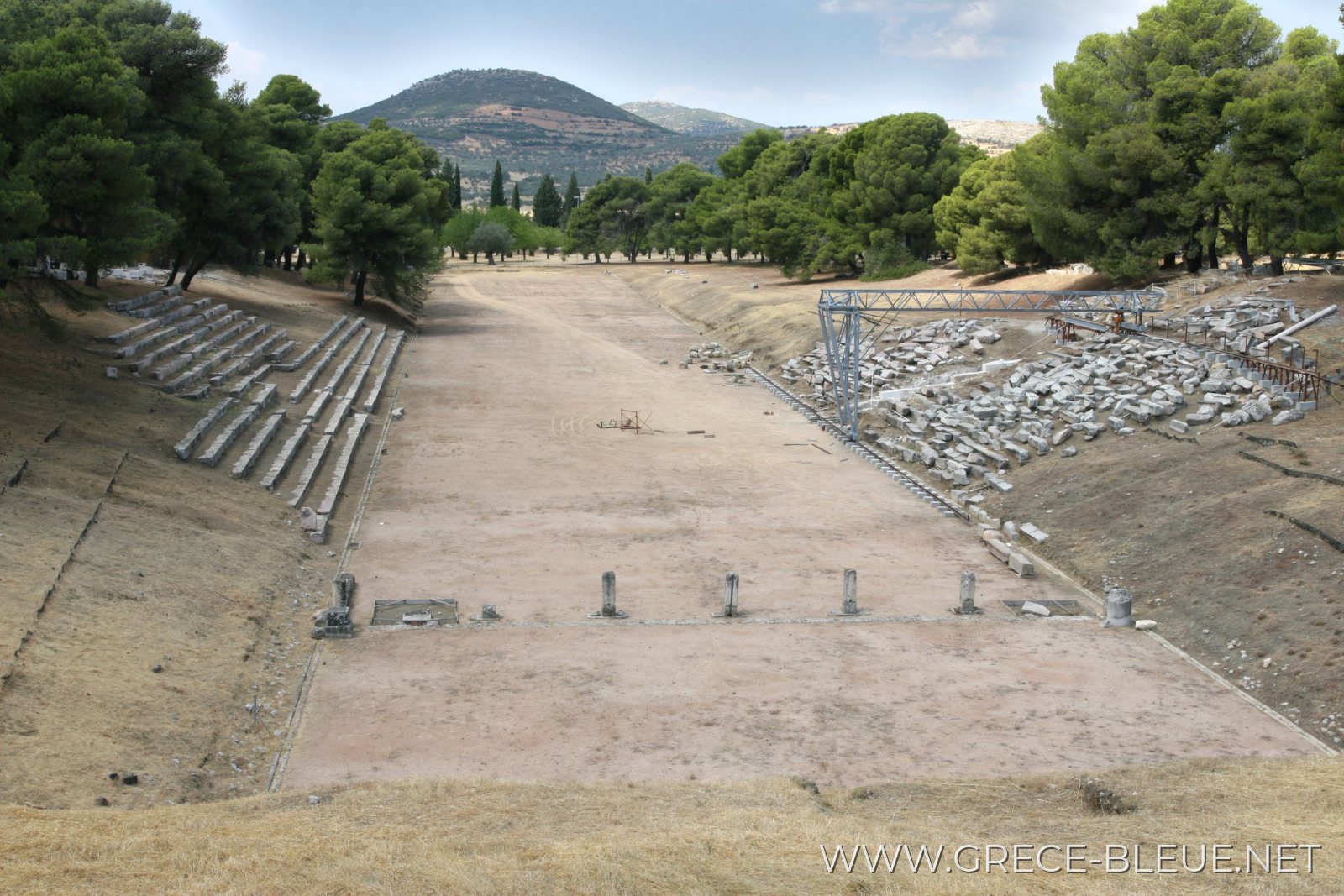
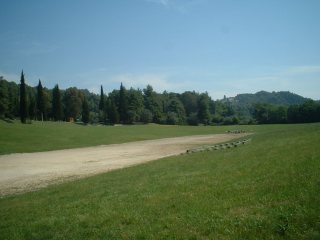
Stadium of Epidaurus
Healing the body also involved physical activity. The ancient stadium★, still very legible, hosted competitions organized in honor of Asclepius. Stone seats, the track, and certain devices related to the athletes' starting positions are still visible. Every four years, the Asclepieia were held, festivals including athletic, musical, and dramatic contests.
Other remains testify to the scale of the sanctuary: Greek and Roman baths, gymnasium, banquet halls, monumental propylaea, and a vast katagogion, intended to accommodate the many visitors. A complex system of water supply and drainage also fed the site, an essential element in a sanctuary where purification and care occupied a central place.
These buildings are often less spectacular than the theater, but they give the visit its full meaning: Epidaurus then appears as a true ancient city of health, capable of welcoming the sick, priests, doctors, athletes, artists, and pilgrims who sometimes came from very far away.
Archaeological Museum of Epidaurus
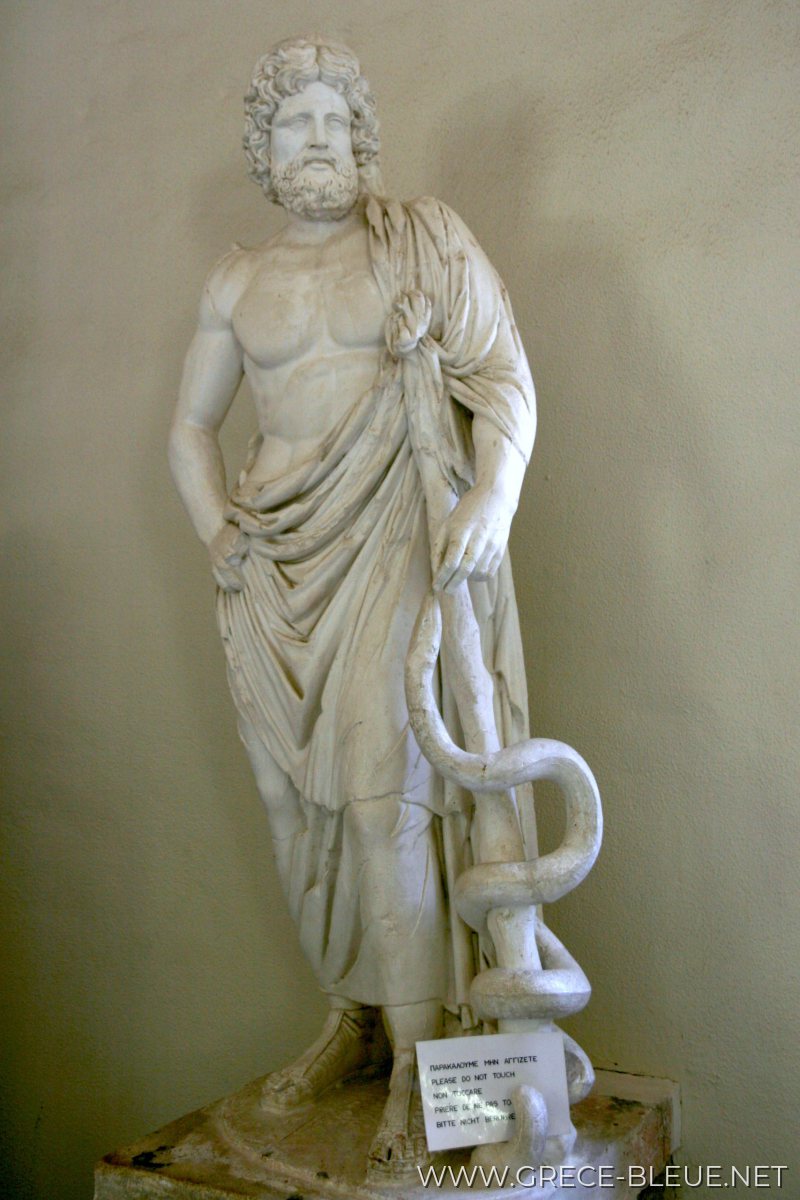
Statue of Asclepius
The Archaeological Museum of the Asclepieion of Epidaurus, located immediately near the ruins, is an important complement to the visit. Created following the major excavations conducted from 1881 by the archaeologist Panagis Kavvadias and the Archaeological Society of Athens, it preserves discoveries ranging from the Archaic period to the Roman period.
There one can discover in particular sculptures, inscriptions, architectural elements, and ex-votos from the various monuments of the sanctuary. Several fragments allow a better imagining of the richness of the now-ruined temples, while inscriptions related to healings directly illuminate the therapeutic and religious practices of Epidaurus.
The museum also presents original parts or architectural restitutions related to the Tholos, the temple of Asclepius, and other edifices. It thus helps to understand monuments of which sometimes only the foundations and a few columns remain on the ground.
Gallery
Ancient theater in Epidaurus
Ancient theater of Epidaurus
Ancient theater of Epidaurus
Ancient theater of Epidaurus
Ancient theater in Epidaurus
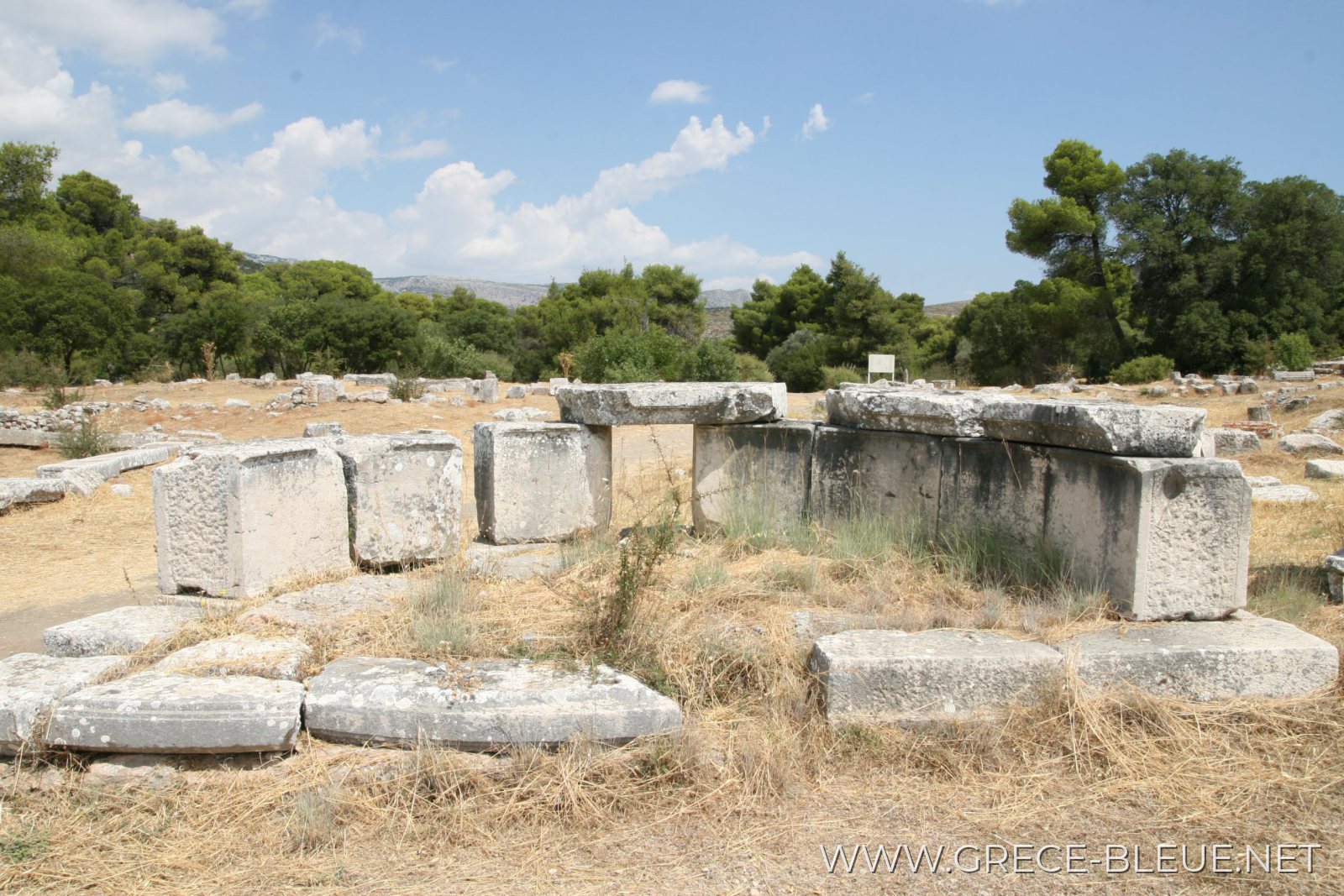
Sanctuary of Asclepius, Epidaurus
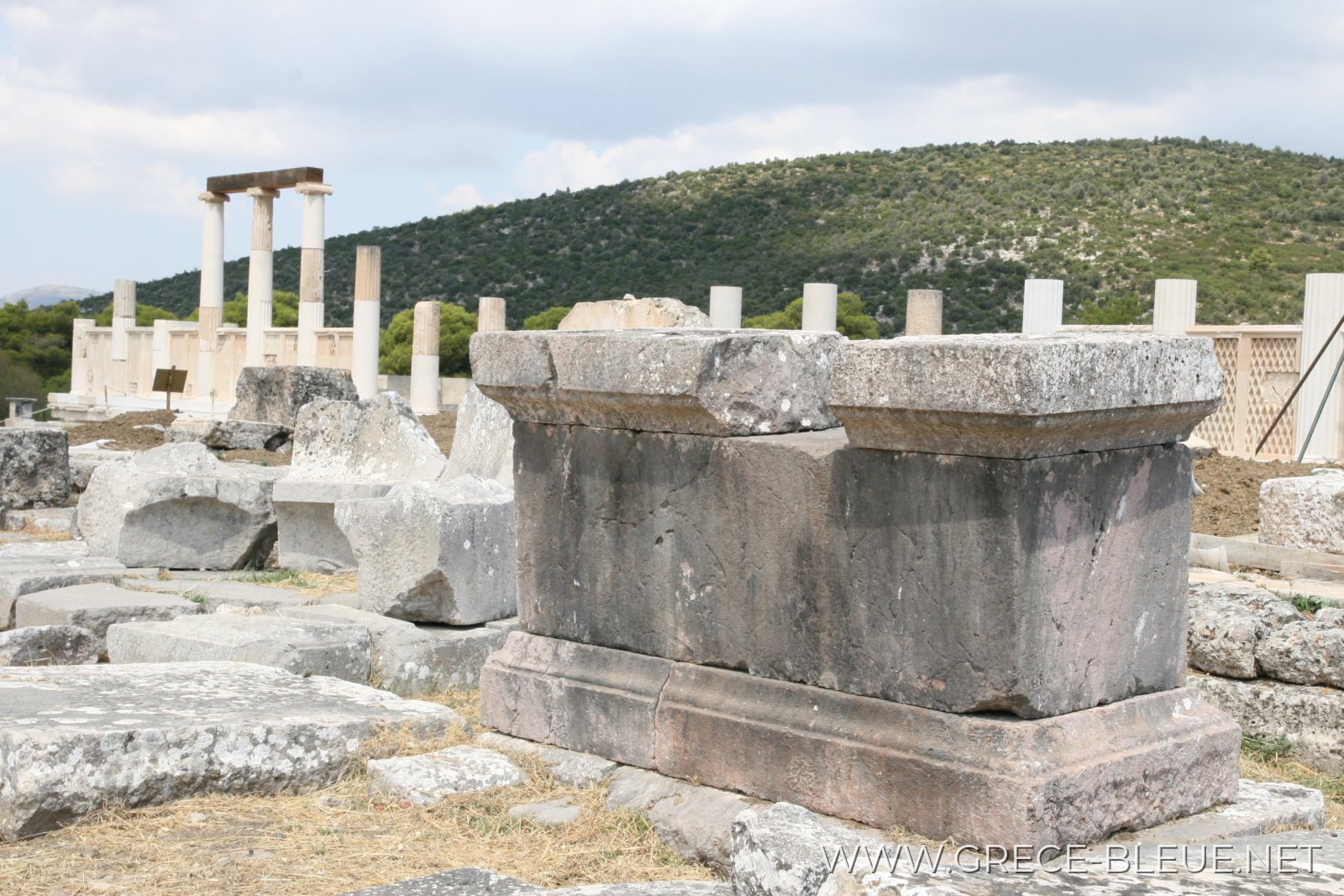
Sanctuary of Asclepius, Epidaurus
Stadium of Epidaurus
Sanctuary of Asclepius
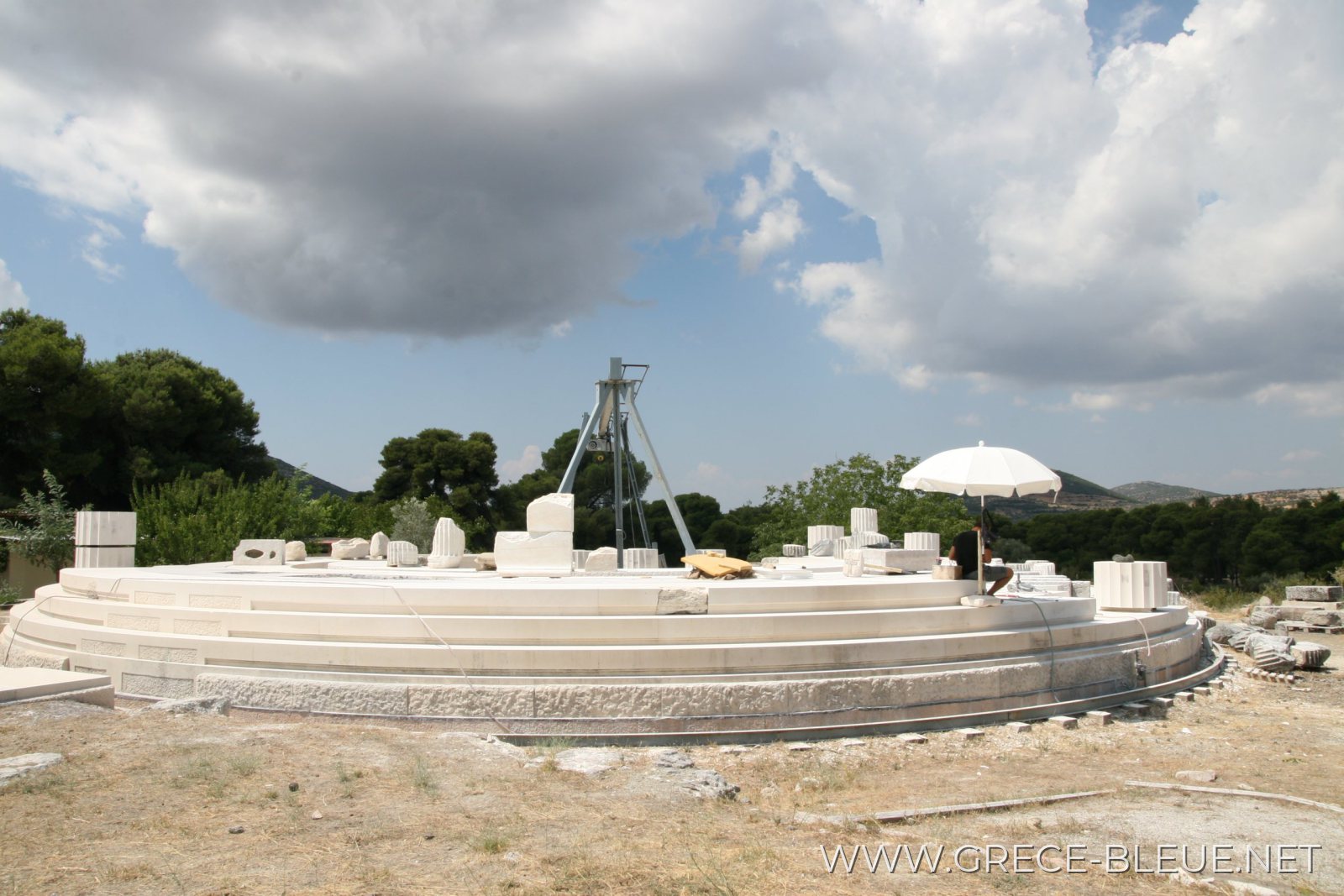
Tholos of the Sanctuary of Asclepius
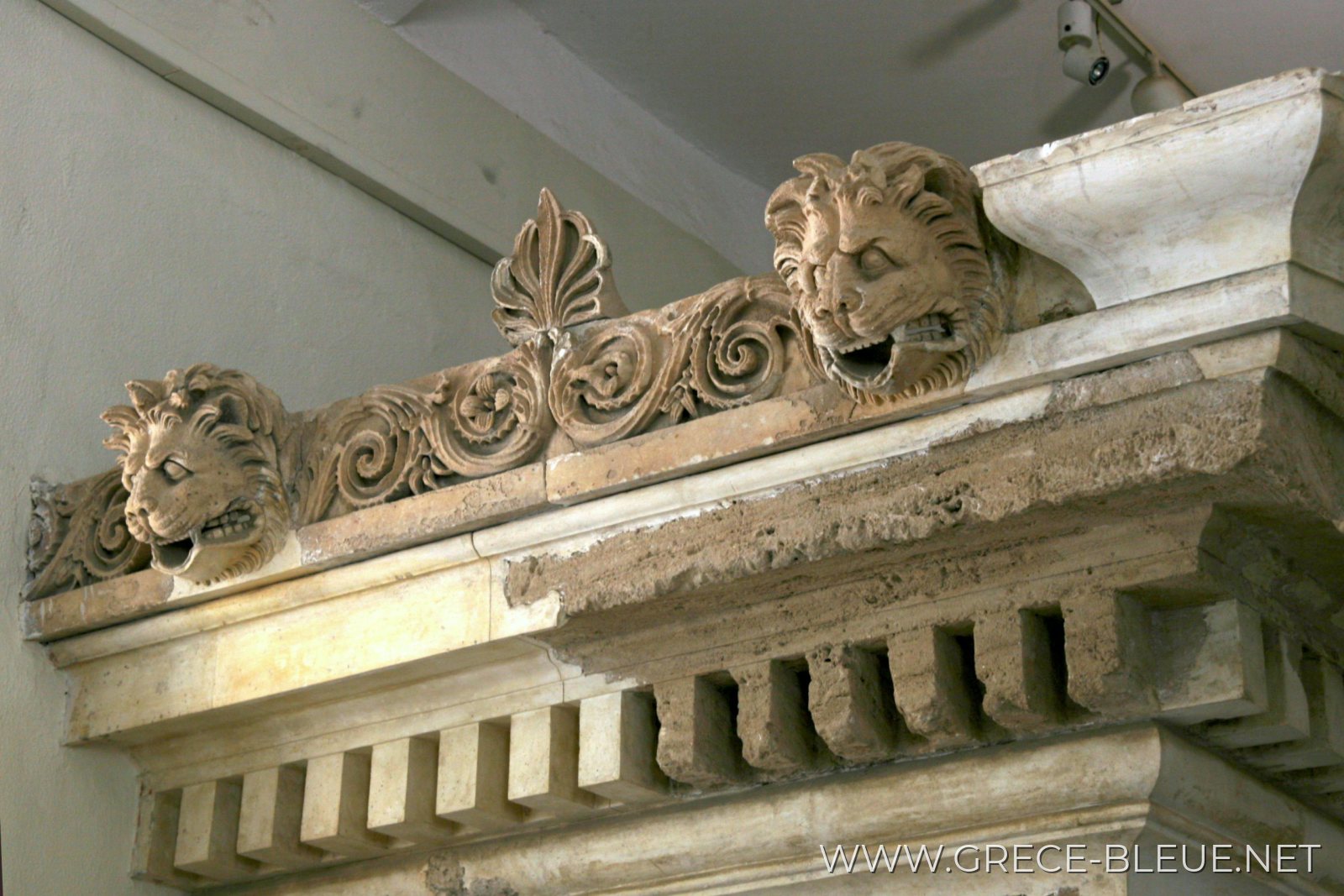
Cornice of the Temple of Asclepius
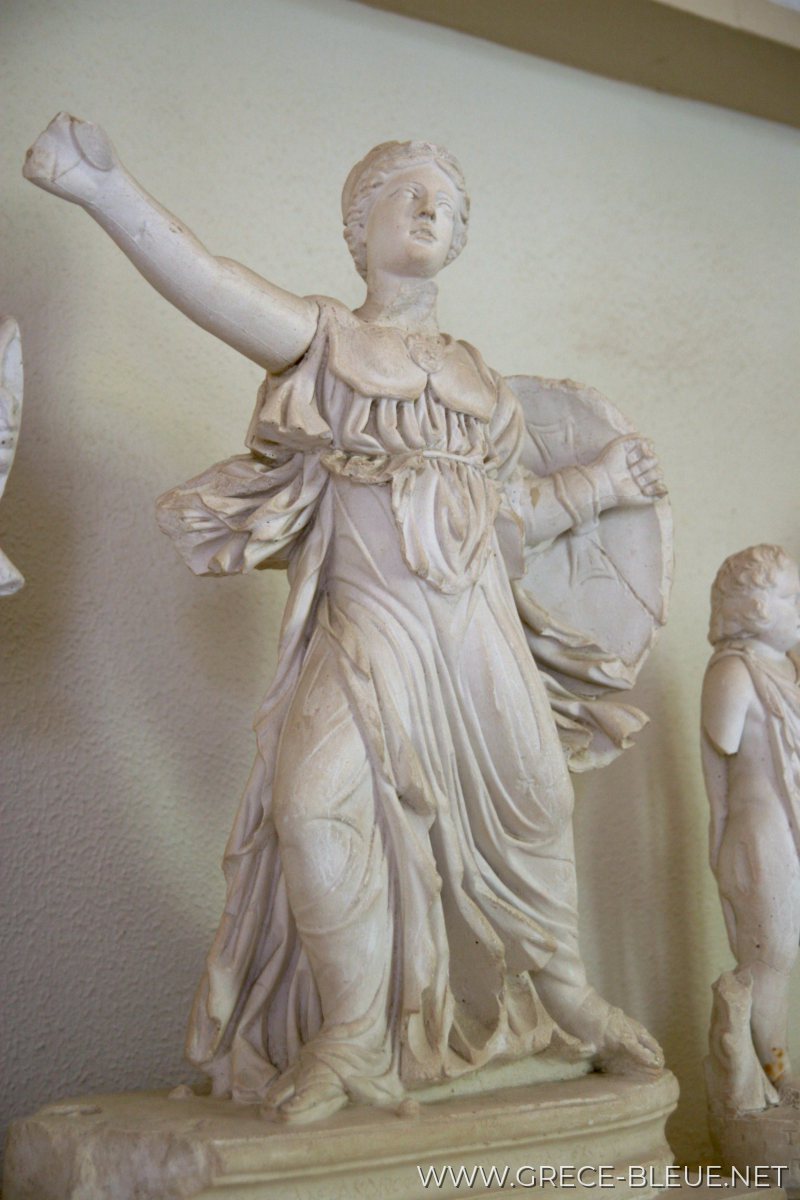
Statue in the Epidaurus Museum
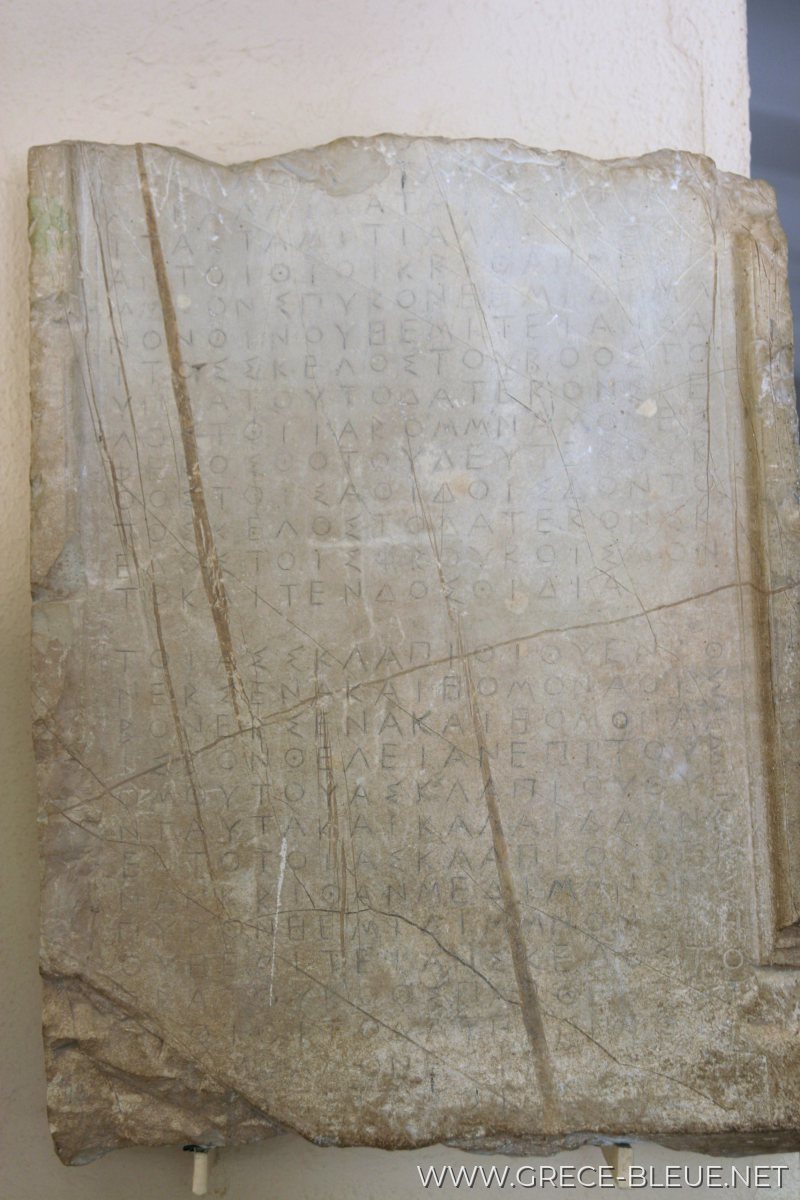
Engraved stone with the rule for sacrificing to Apollo and Asclepius
Statue of Asclepius
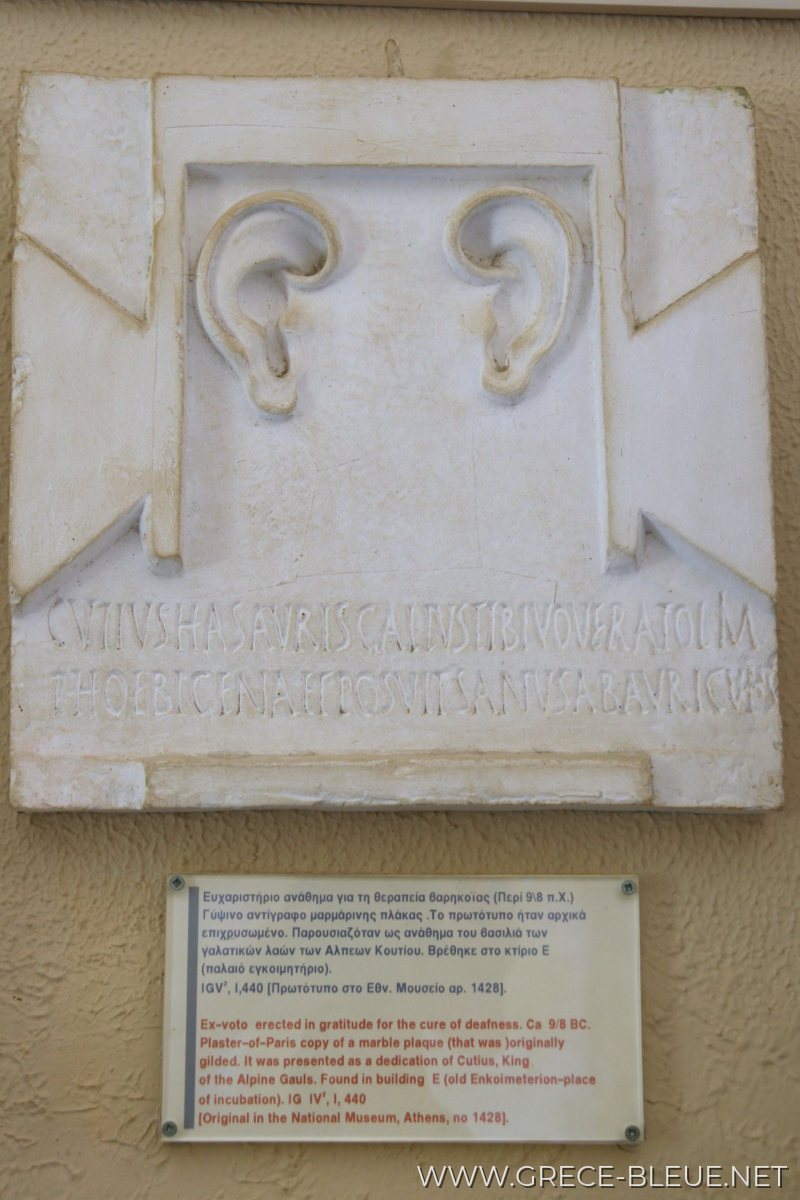
Ex-voto, from a deaf person who regained their hearing.
Sources
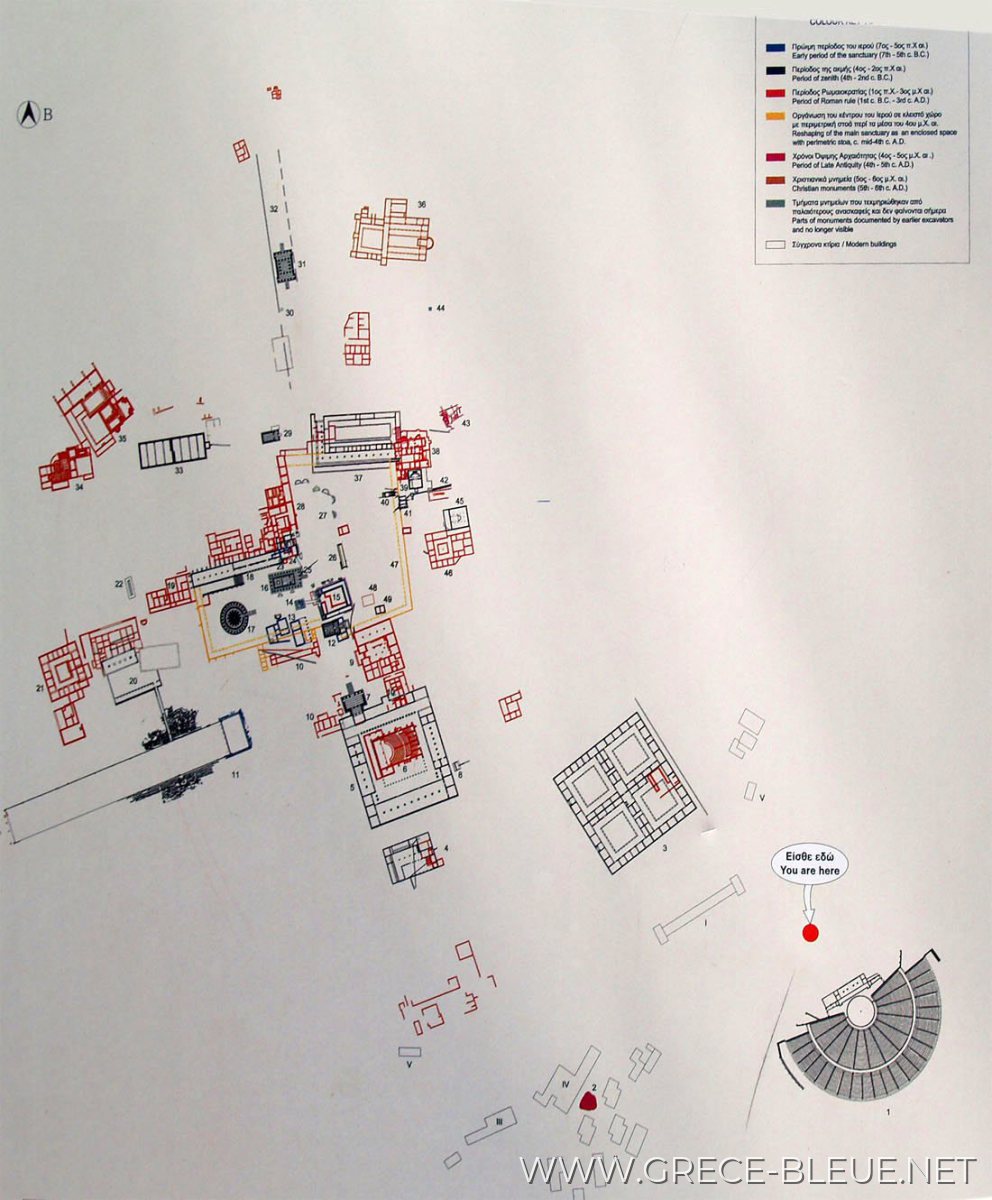
Plan of the Sanctuary of Asklepios at Epidaurus
|
|
Ancient Epidaurus and its small theatre
About fifteen kilometres from the Sanctuary of Asklepios, Ancient Epidaurus (Palaia Epidavros) occupies a small natural harbour on the Saronic Gulf, on the site of the ancient city on which the sanctuary depended. On the Nisi peninsula stands its small ancient theatre, built gradually from the mid-4th century BC and able to seat around 2,000 spectators. Much more intimate than the great theatre of the sanctuary, it was mainly associated with the cult of Dionysus, as indicated by the inscriptions carved on its tiers. To the west of the village, a Mycenaean necropolis made up of chamber tombs recalls that the area was occupied well before the rise of the Sanctuary of Asklepios. Today, Palaia Epidavros thus combines ancient remains, a small harbour and the landscapes of the Saronic Gulf, in an atmosphere very different from that of the major archaeological site.
Map and route
Near Epidaurus and nearby sites
In the Argolis area
See all places in Argolis
Nearby places to stay
On the same theme