Heraion of Perachora
The sanctuary of Hera Akraia, at the tip of the Perachora peninsula, overlooks a cove of the Gulf of Corinth, near the Melangavi lighthouse. Founded as early as the 8th century BC, it preserves the remains of temples, a cistern and a Hellenistic stoa, in a wild site by the water.
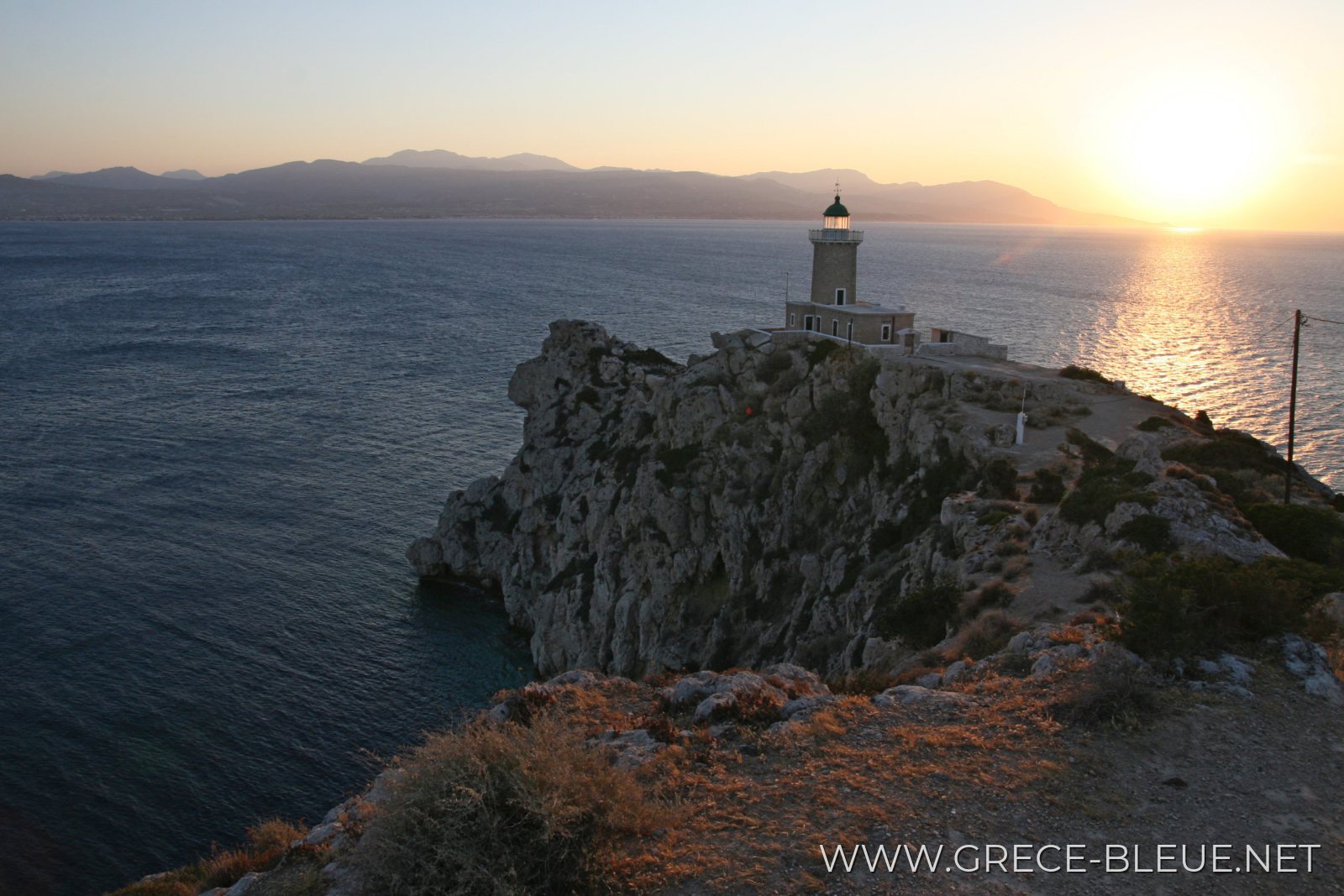
At the tip of the Perachora peninsula, northwest of Loutraki, the Heraion of Perachora ★★ occupies a small rocky cove of the Gulf of Corinth, at the foot of the cliffs of Cape Melagavi. The remains of an important ancient sanctuary here sit alongside a beach with clear waters and views over the mountains of the opposite shore. This combination of heritage and coastline makes it a particularly rewarding excursion from Loutraki or Corinth.
The sanctuary was dedicated to Hera Akraia, "Hera of the promontory," and to Hera Limenia, "Hera of the harbor," two names now generally associated with a single cult complex. Frequented as early as the Geometric period, in the late 9th or early 8th century BC, it became one of the great cult sites of Corinthia, closely linked to Corinth's maritime power.
Temples and monuments of the sanctuary
Héraion de Perachora
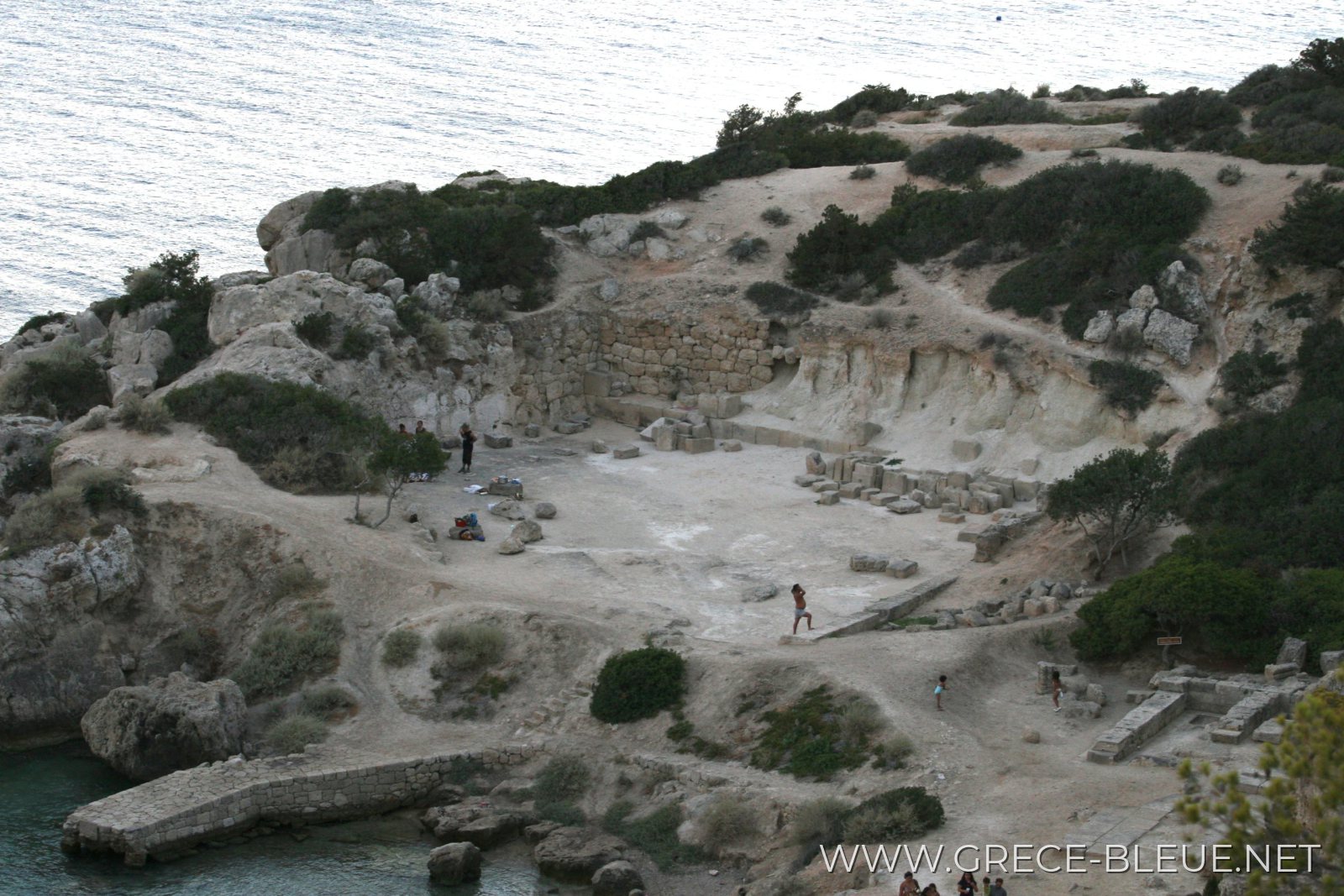
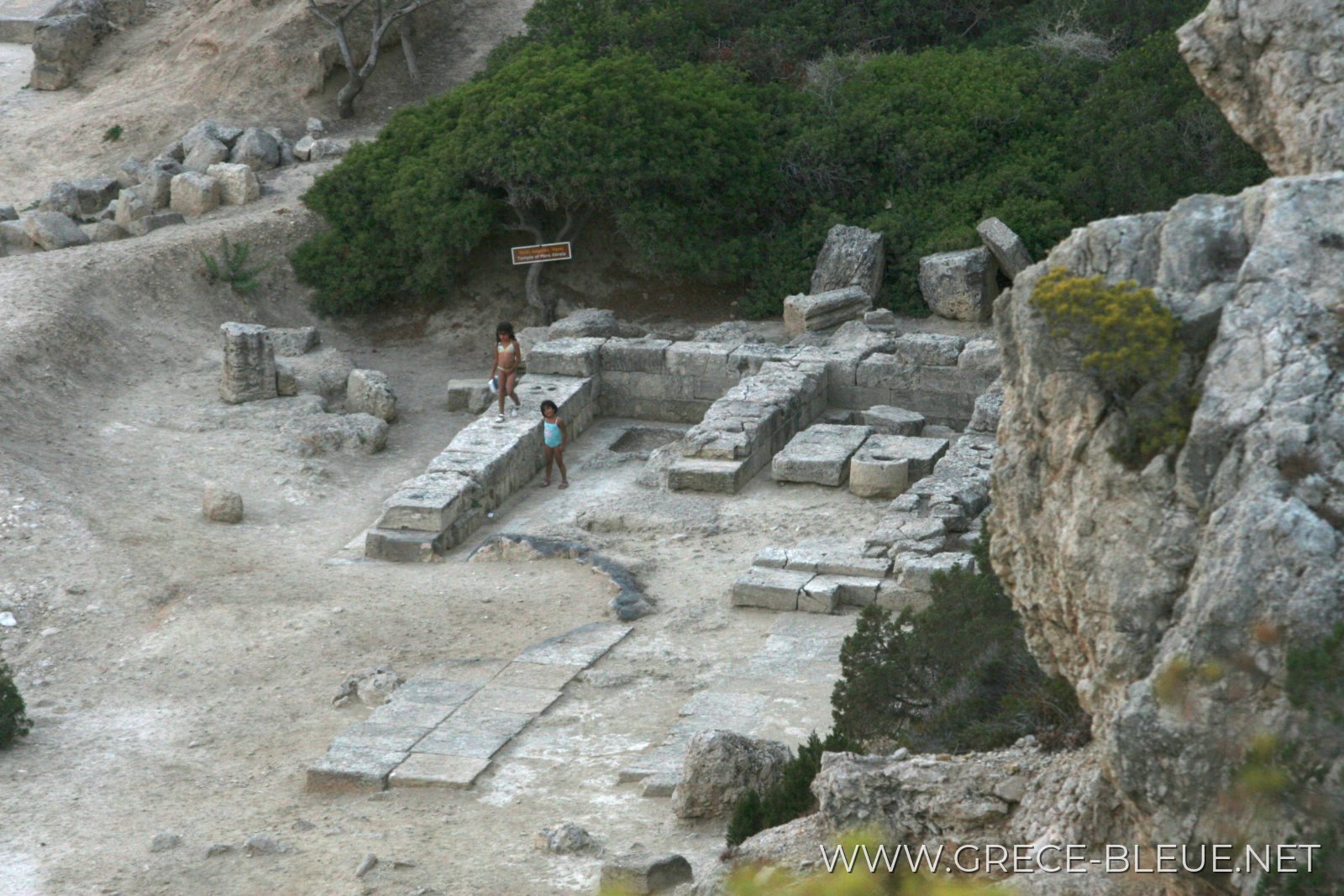
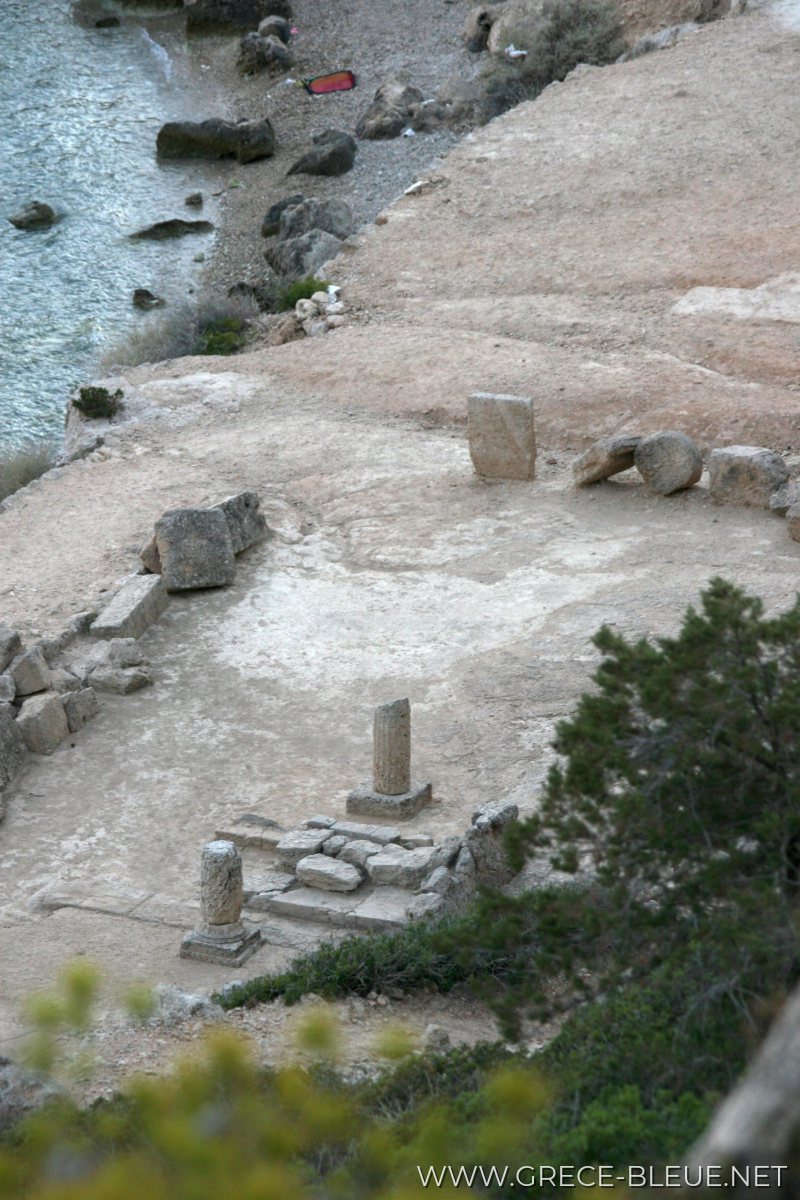
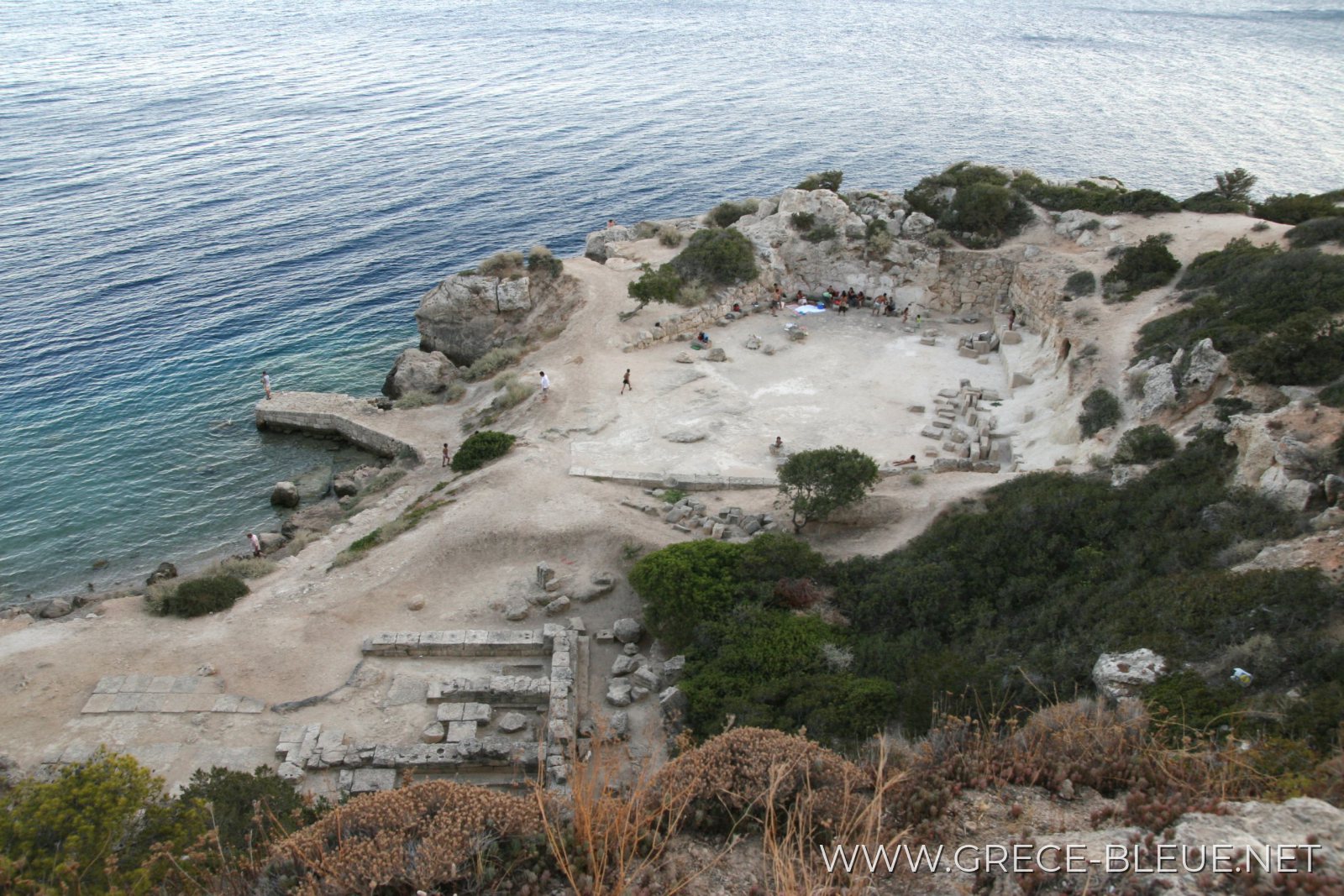
Near the water, the foundations survive of the Archaic temple of Hera Akraia, in the Doric style, built in the late 6th century BC close to an older sanctuary with an apsidal building. Its rectangular altar was decorated with metopes and triglyphs; traces of a staircase and a western courtyard can also be made out.
An L-shaped stoa, built in the 4th century BC and with two levels, probably accommodated visitors and some of the offerings. Higher up are an imposing vaulted cistern, water channels, ancillary buildings and banquet halls (hestiatoria), which attest to the organization of festivals and ritual meals. The whole complex thus rises in tiers from the cove up to the terraces of the promontory.
Remarkable archaeological discoveries
The excavations of the British School at Athens, begun in 1930 under the direction of Humfry Payne, revealed abundant offerings: pottery, jewelry, bronze figurines, scarabs and ivory objects. Among the finds is a votive model of a house in terracotta, dated to the 8th century BC, valuable for the study of ancient Greek architecture. Several objects are kept at the National Archaeological Museum of Athens and at the museum of Ancient Corinth.
Héraion de Perachora
Héraion de Perachora
Héraion de Perachora
Lake Vouliagmeni and the Melagavi lighthouse
Phare de Melagavi
The access road passes near Lake Vouliagmeni of Perachora, a vast saltwater lagoon connected to the Gulf of Corinth by a narrow channel, lined with beaches and tavernas. Not to be confused with the lake of the same name near Athens.
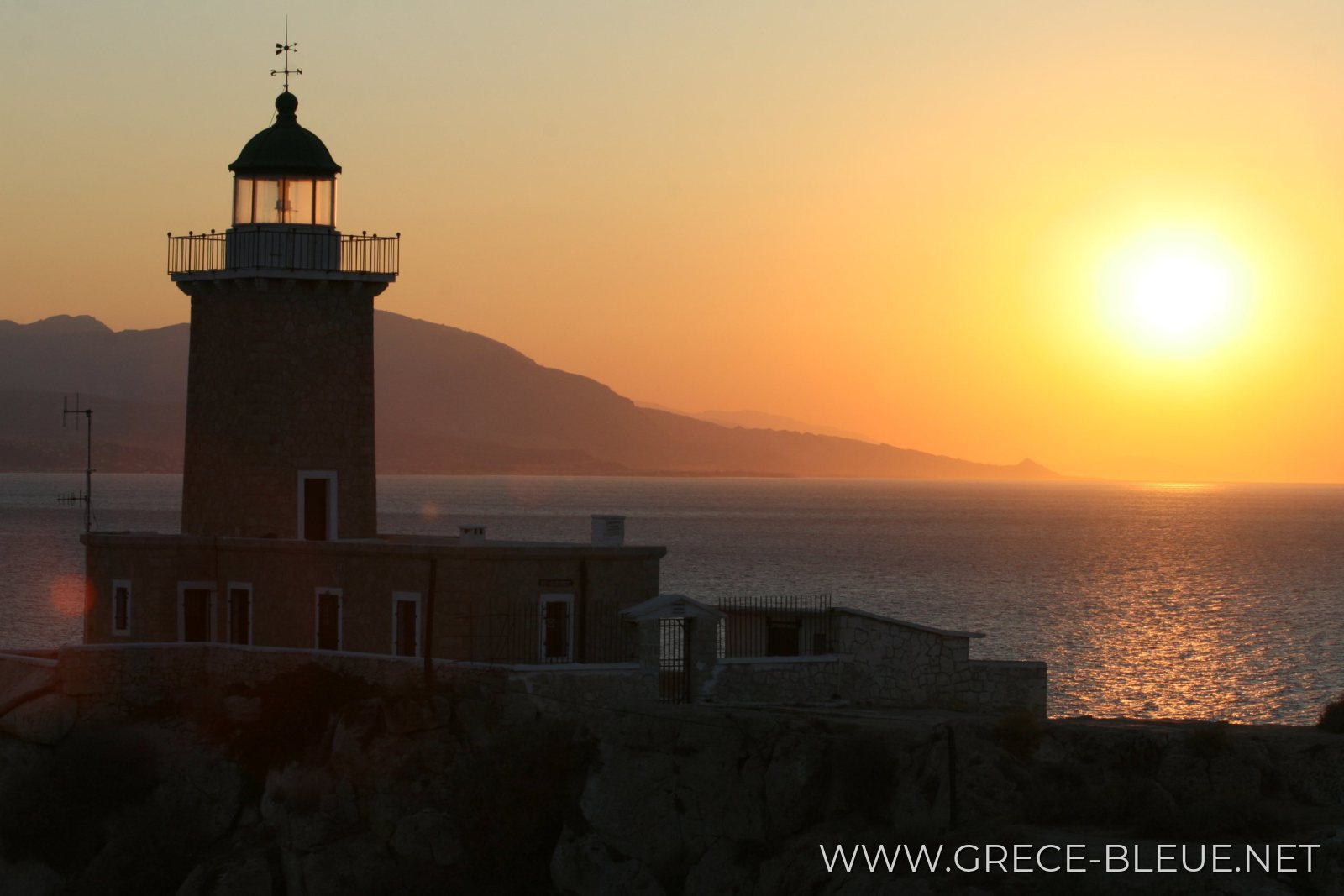
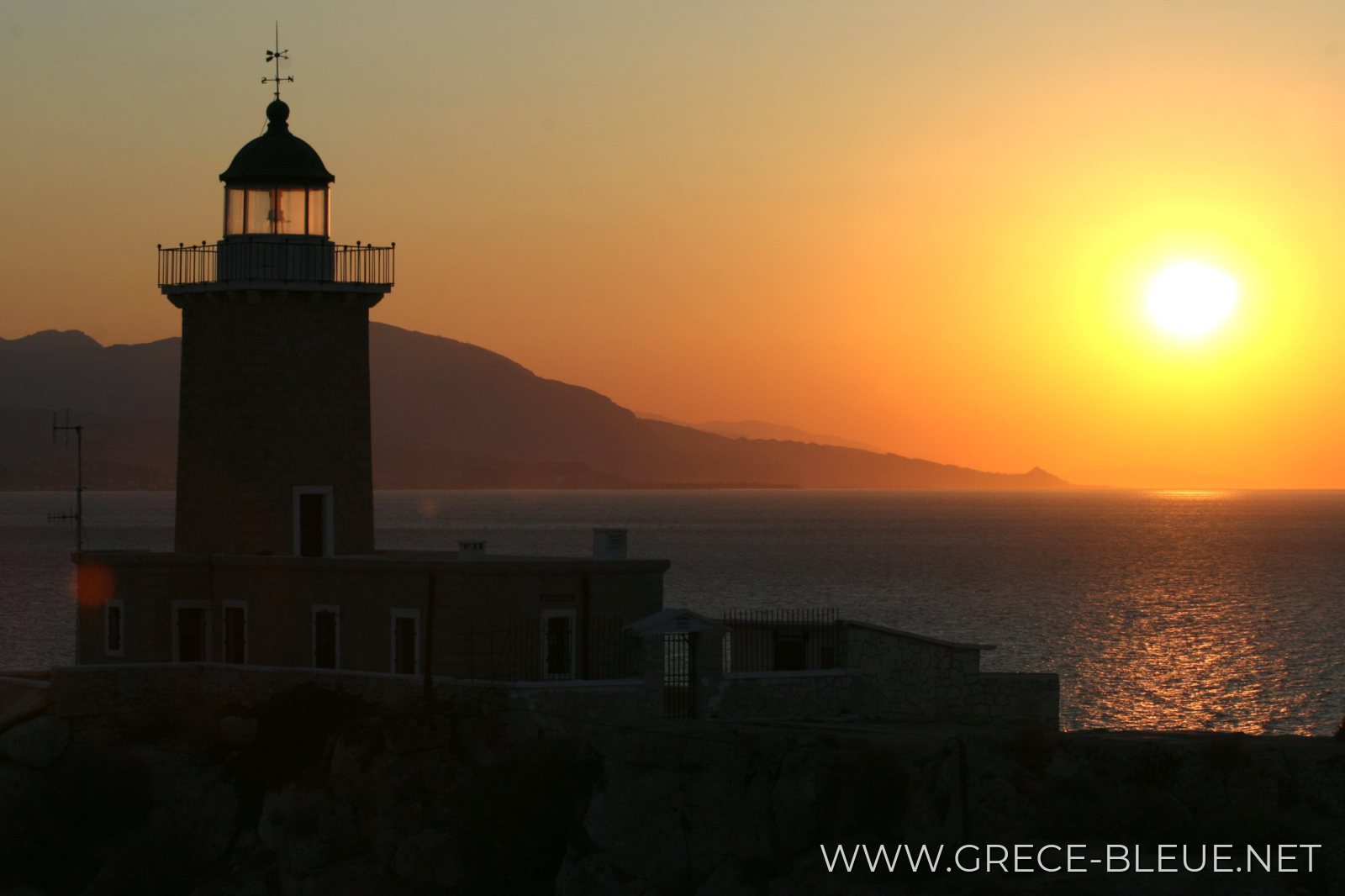
Above the Heraion, a short path leads to the Melagavi lighthouse, built in 1897 and listed as a historic monument, from which the view extends over the gulf and its shores. Allow about an hour for the ruins, and more for the lighthouse and a swim in the small cove at the foot of the sanctuary.
Melagavi Lighthouse
Melagavi Lighthouse
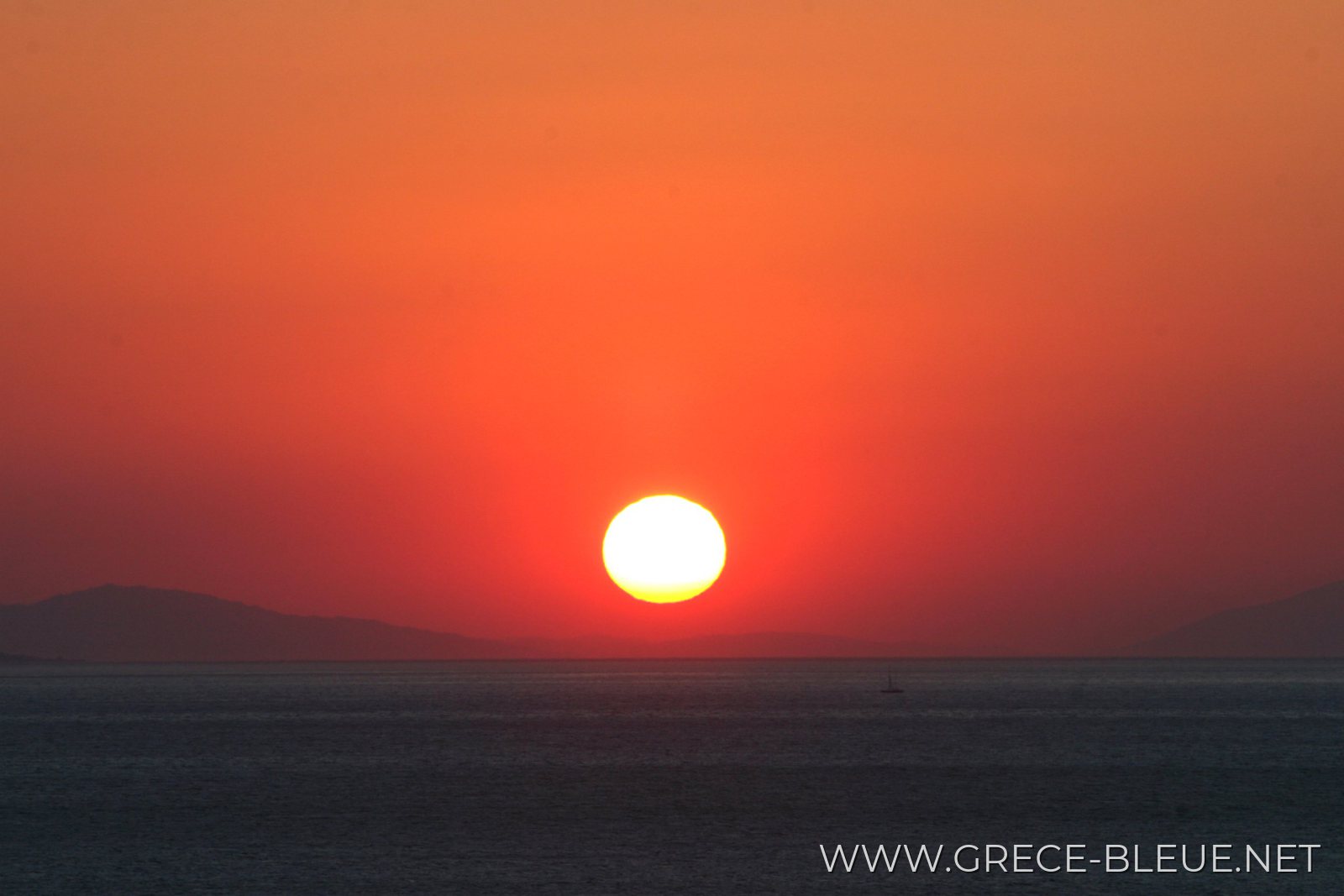
Melagavi Lighthouse
Map and route
Near the Heraion of Perachora
Nearby places to stay
On the same theme