Corinth
Corinth, at the entrance to the Peloponnese, combines a modern town facing the gulf with an exceptionally history-rich environment. Between Ancient Corinth, Acrocorinth and the famous canal, it is a major stop between Athens and the north-eastern Peloponnese.
Corinth, at the gateway to the Peloponnese
Corinth occupies a strategic position at the eastern end of the Gulf of Corinth, where the isthmus links mainland Greece to the Peloponnese. The present-day town is relatively recent: after the violent earthquake of 1858, the settlement was moved from the area of ancient Corinth to the coast. Another earthquake led to major reconstruction in 1928.
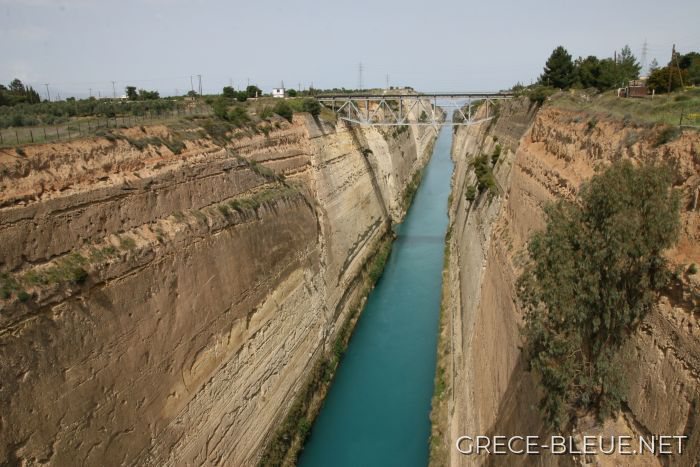
Corinth Canal
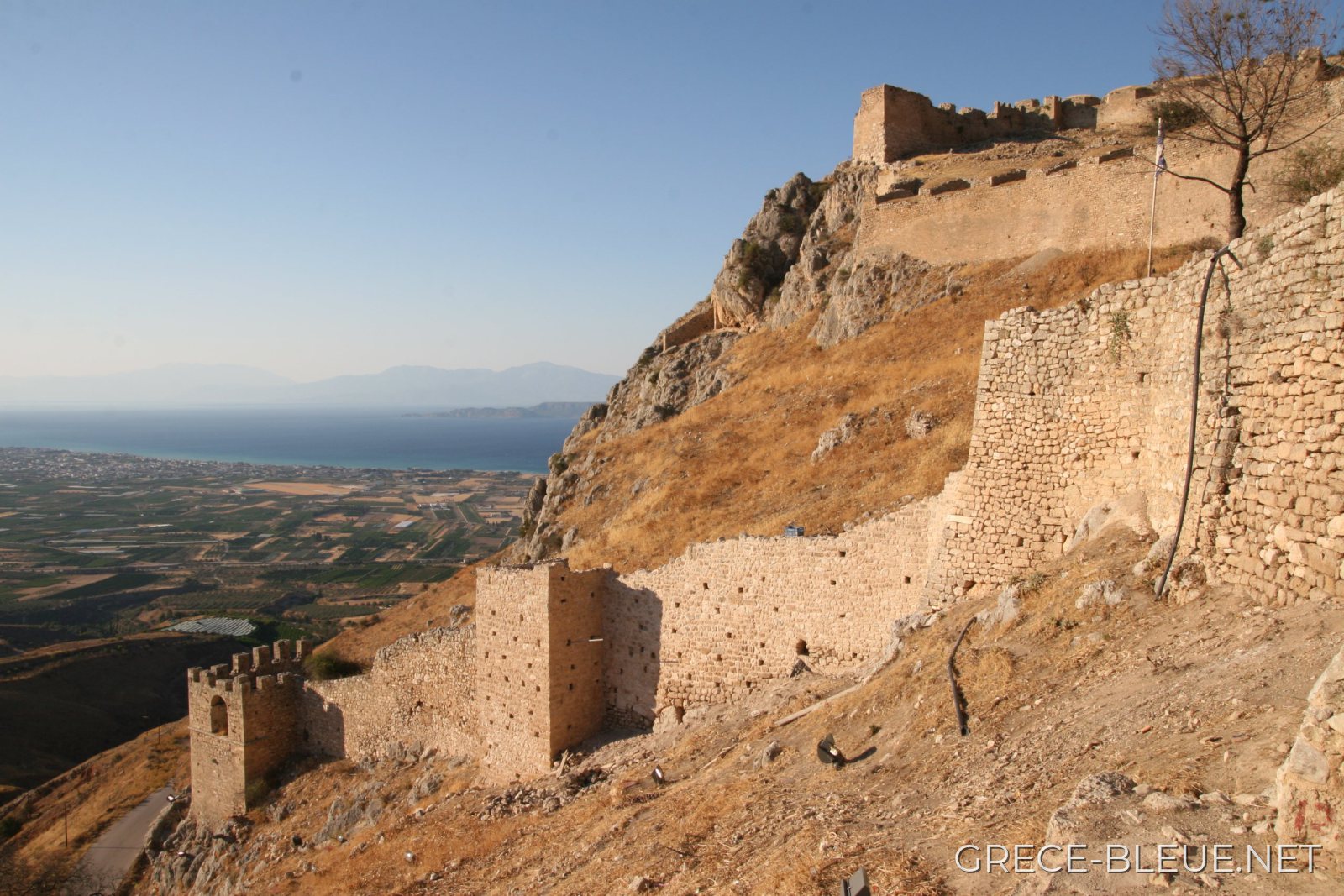
Acrocorinth Fortress
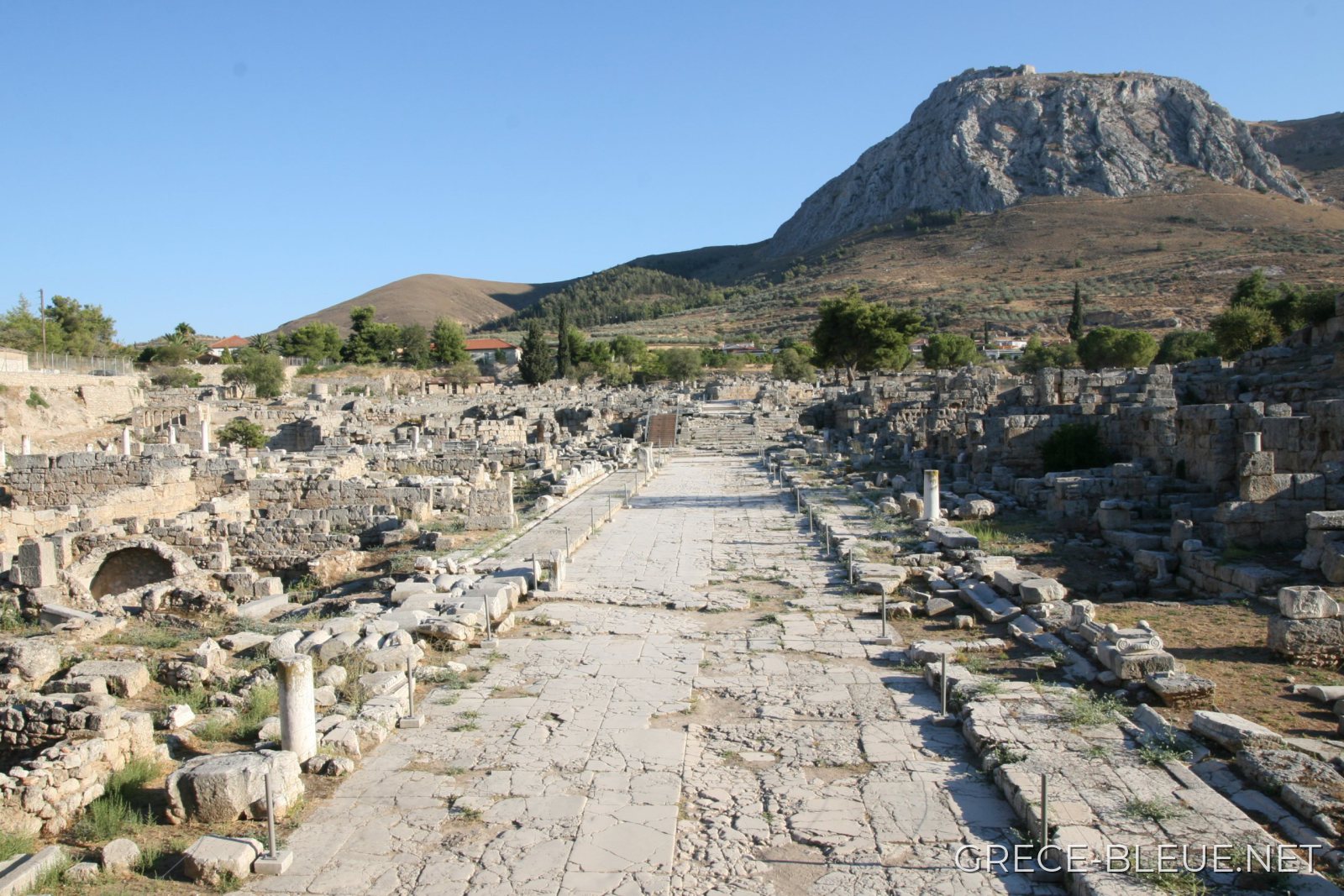
Ancient Corinth
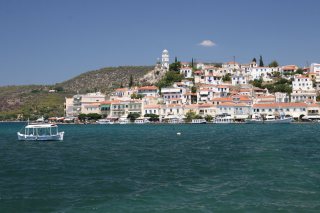
Today, Corinth is a modern maritime town, laid out around regular streets, squares, pedestrian areas and a pleasant seafront. Floisvos Square, open to the gulf and adorned with a statue of Pegasus, is one of its main promenades. To the west, the urban beach of Kalamia, lined with cafés and tavernas, provides easy access to the seafront from the centre.
The major sites around Corinth
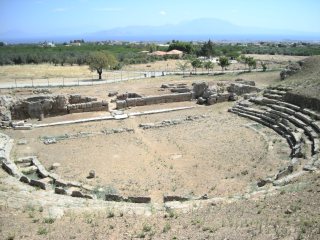
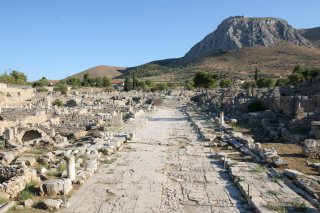
A few kilometres from the modern town, Ancient Corinth★ preserves the main Greek and Roman remains as well as an archaeological museum. Above the plain, Acrocorinth★★, an ancient acropolis turned fortress, offers a vast panorama over the isthmus and the gulf.
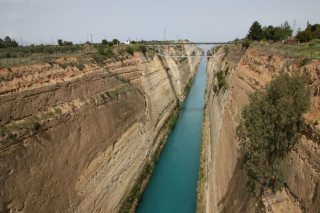
To the east, the Corinth Canal★, completed at the end of the 19th century, cuts through the isthmus between high rocky walls. These three sites are the main heritage attractions in the area, while the modern town offers a pleasant stop between Athens, Corinthia and the north-eastern Peloponnese.
One of the most powerful ancient Greek city-states
In antiquity, Corinth was one of the wealthiest city-states in the Greek world. Its prosperity rested largely on its exceptional position, at the crossroads of the land routes between Attica and the Peloponnese and of the sea routes linking the two sides of the isthmus. Long before the modern canal, the Diolkos made it possible to transport ships or their cargoes overland.
This commercial power encouraged the founding of colonies, notably Corcyra, present-day Corfu, and Syracuse in Sicily. Destroyed by the Romans in 146 BC, Corinth was refounded by Julius Caesar in 44 BC and quickly regained great importance. Saint Paul stayed there in the 1st century and later addressed the famous Epistles to the Corinthians to the local Christian community.
Map and places in Corinth
3 places in this territory.
 1
Fortress / acropolis
Acrocorinth
Acrocorinth is one of the most imposing fortresses in Greece, rising above ancient Corinth and the isthmus. Its walls, successive …
 2
Historic structure
Corinth Canal and Isthmia
The Corinth Canal dramatically cuts through the isthmus that links the Peloponnese to mainland Greece. Dug at the end of the 19th …
 3
Archaeological site
Ancient Corinth
Ancient Corinth, at the foot of Acrocorinth, was one of the wealthiest cities of the Greek and later Roman world. Its archaeologic…
Nearby places to stay
On the same theme