Mount Lykaion and Lykosoura
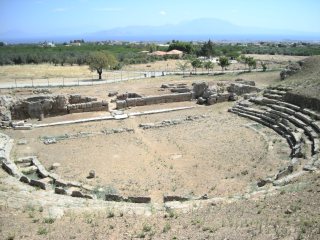
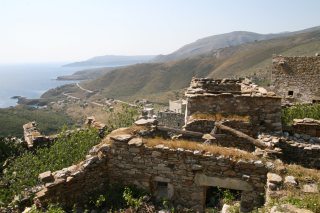
Mount Lykaion, Lykosoura and Megalopolis thus offer an approach to three complementary aspects of ancient Arcadia: the sacred mountain and the ancient cults of Zeus, the religious mysteries of Despoina and the political ambition of a united Arcadia.
Mount Lykaion
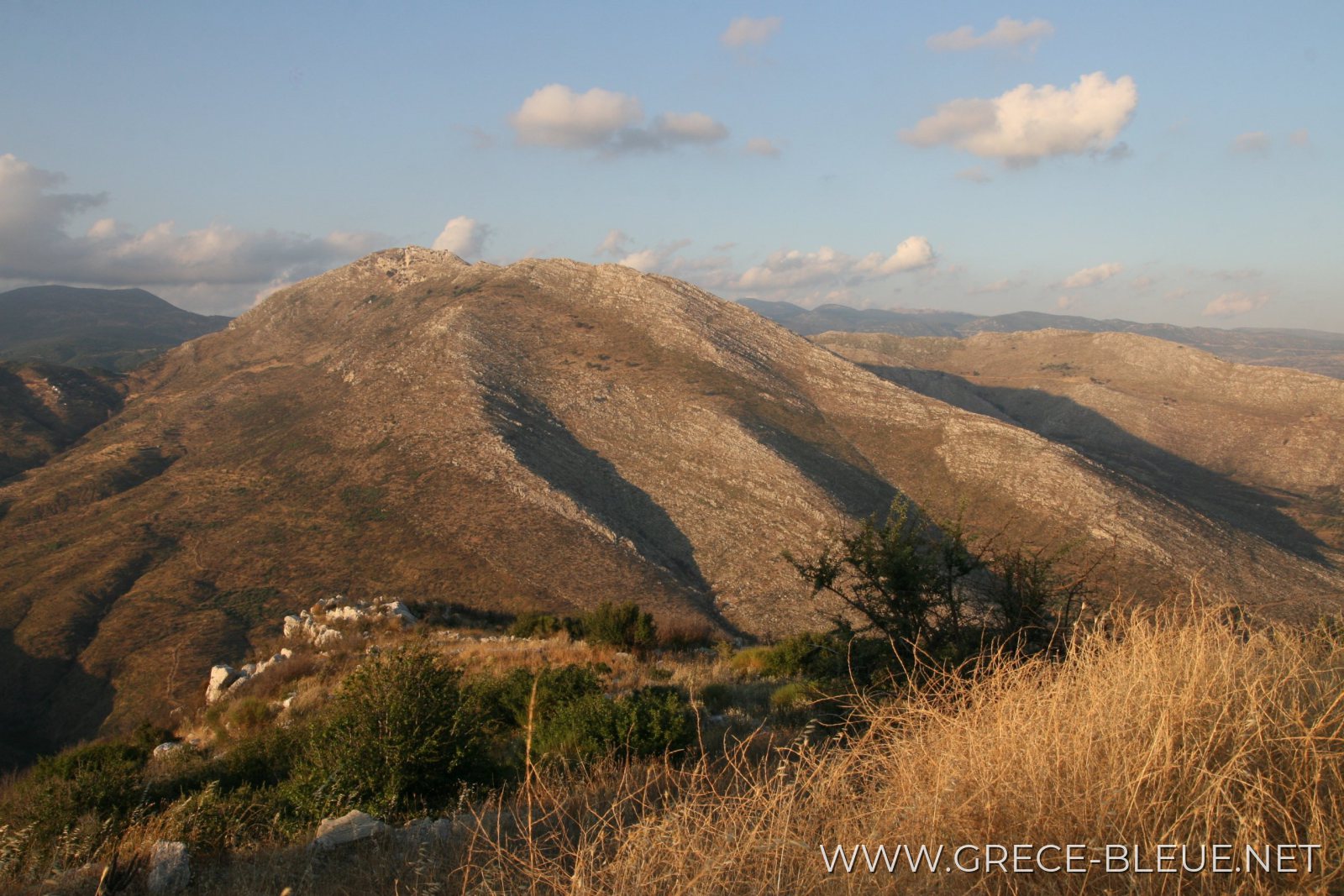
In the mountains of southwestern Arcadia, Mount Lykaion was one of the most sacred mountains of the ancient Arcadians. Rising to over 1,400 metres, it overlooks a vast landscape of valleys and hills that stretches as far as Messenia. Several ancient places of worship are concentrated on its slopes, while to the east lies Lykosoura, famous for its sanctuary of Despoina. The whole area is one of the best regions for discovering the beliefs specific to ancient Arcadia.
Less frequented than the great sites of the eastern Peloponnese, these places allow for a wilder and particularly rich discovery of the interior of the peninsula.
Mount Lykaion, mountain of Zeus
The Arcadians regarded Mount Lykaion as their sacred mountain, to the point that it was sometimes called the "Arcadian Olympus". A tradition reported by Pausanias claimed that Zeus was born there and had been raised by the nymphs Theisoa, Neda and Hagno, thus challenging the better-known Cretan tradition.
Near the summit was the main place of worship of Zeus Lykaios. Its altar was not a monumental temple but a large mound formed by the ashes accumulated during sacrifices. Archaeological research has shown that religious activity on the mountain dates back at least to the Bronze Age, making Lykaion one of the oldest sanctuaries in the region.
Further down lay a second complex comprising a hippodrome, a stadium, a large stoa, a fountain and a sanctuary of Pan. This is where the Lykaia were held, religious and athletic contests in honour of Zeus. These ancient games were symbolically revived in contemporary times and are once again organised periodically in the region. The mountain is also worth visiting for its landscape. From the heights, the view takes in a large part of the Peloponnese, from Mainalon to Taygetus and, on clear days, as far as the Ionian Sea. Several trails now allow visitors to explore this still very sparsely urbanised territory.
Lykosoura and the sanctuary of Despoina
On the eastern slope of Mount Lykaion, Lykosoura was one of the most sacred cities of the Arcadians. According to a local tradition, Pausanias even presented it as the oldest city in the world and the first to be lit by the sun: a mythical claim that above all illustrates the antiquity the Arcadians attributed to their civilisation.
The main surviving monument is the sanctuary of Despoina, a deity specific to Arcadian religious traditions, probably related to Persephone. The visible remains date mainly from the Hellenistic period and include the temple, a large ritual space called a megaron, a stoa, altars dedicated in particular to Despoina, Demeter and the Great Mother, as well as the remains of baths and a fountain.
The sanctuary hosted mystery cults, some of whose practices were reserved for initiates. The monumental cult statues of Despoina and Demeter had been made by the Messenian sculptor Damophon. Some of the sculptures, inscriptions and offerings found during excavations are now kept in the small Archaeological Museum of Lykosoura, located immediately nearby.
Megalopolis and surroundings
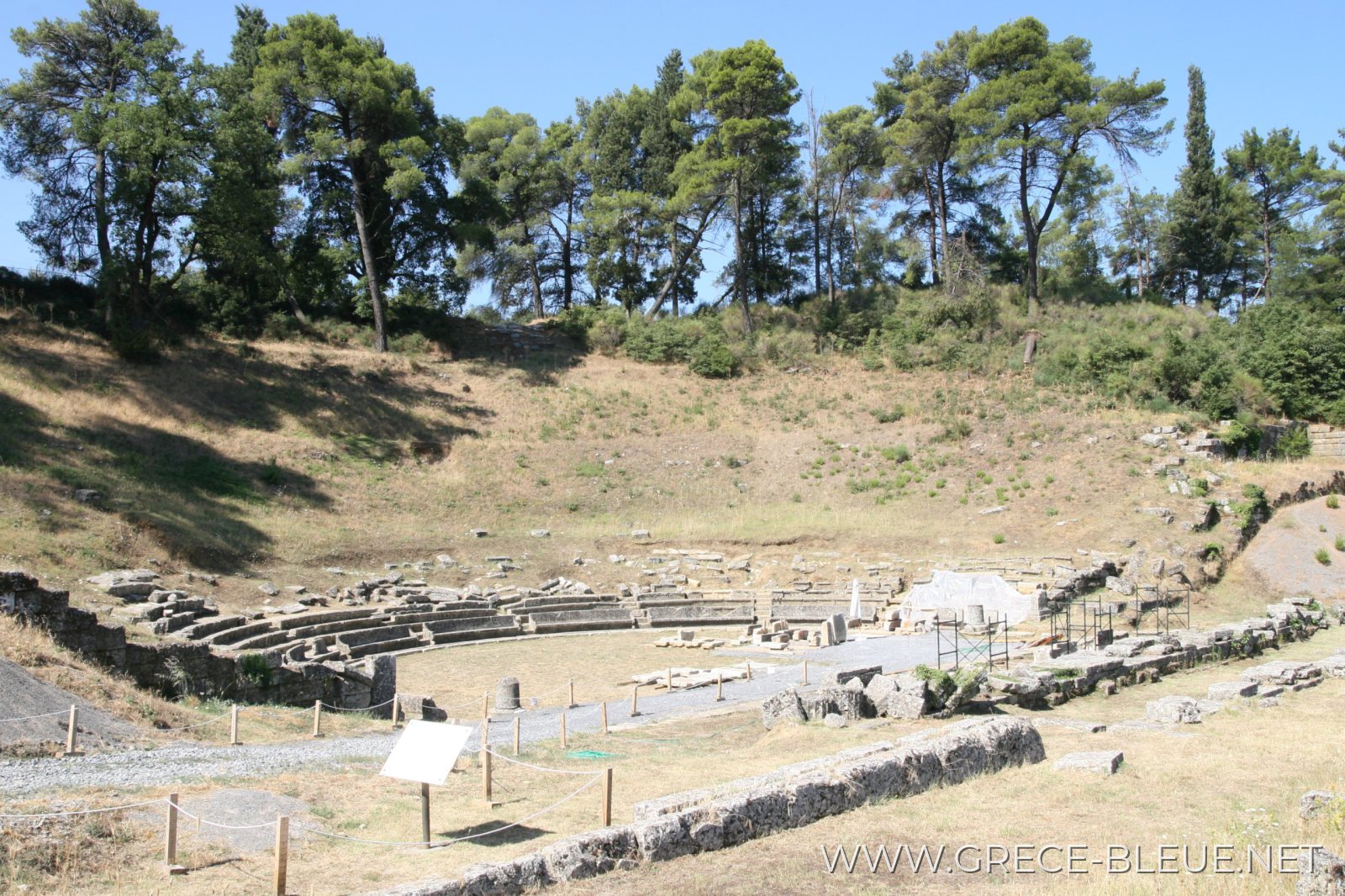
A few kilometres to the east, Megalopolis naturally completes the visit. Founded in 371 BC by the merging of several Arcadian communities, it was to become the great political centre of a unified Arcadia. Its site preserves in particular the remains of an immense ancient theatre★, which could hold around 20,000 spectators, as well as the Thersilion, a vast building intended for assemblies, the agora and several sanctuaries.
Ancient Theatre of Megalopolis
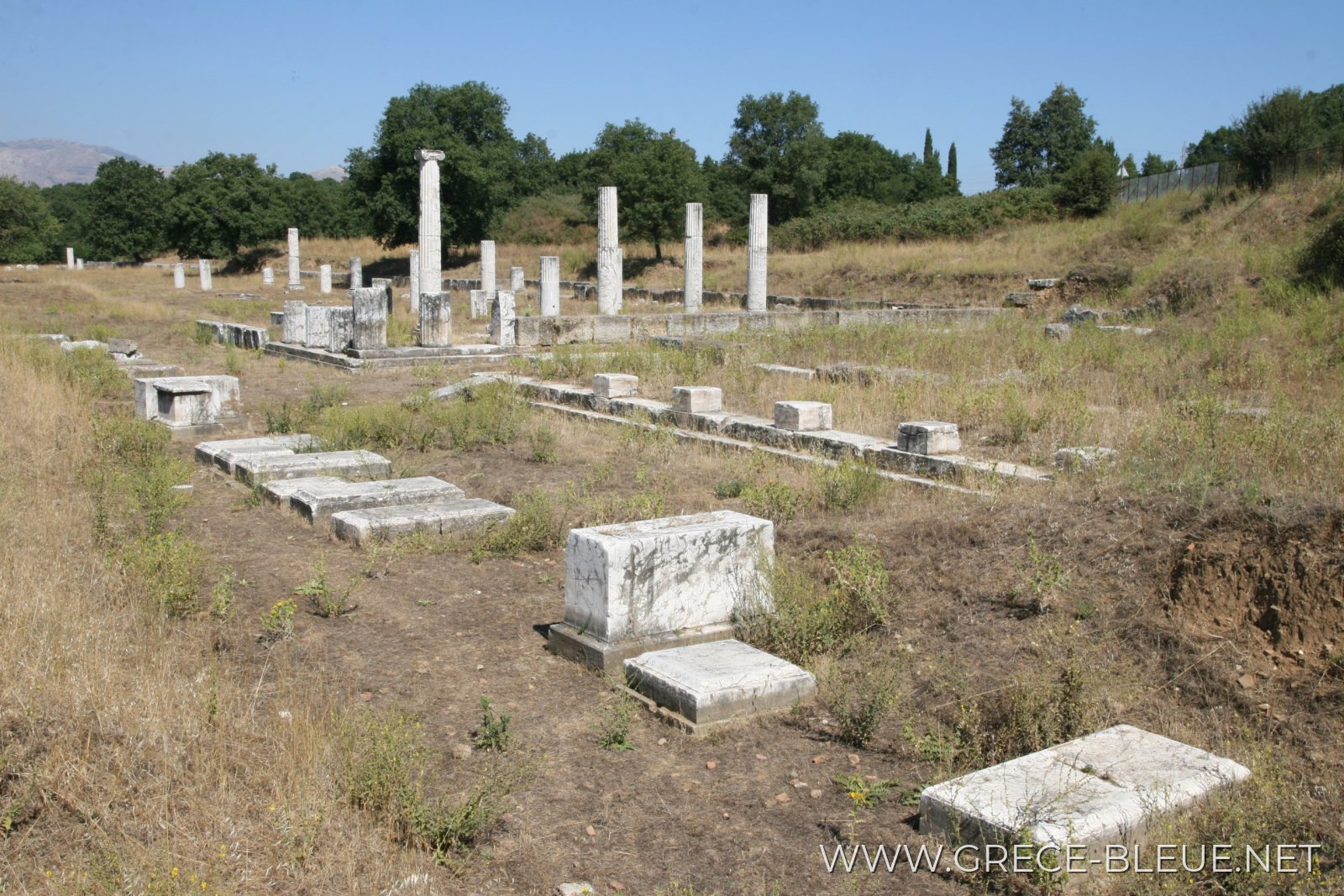
Philippeios stoa, Megalopolis
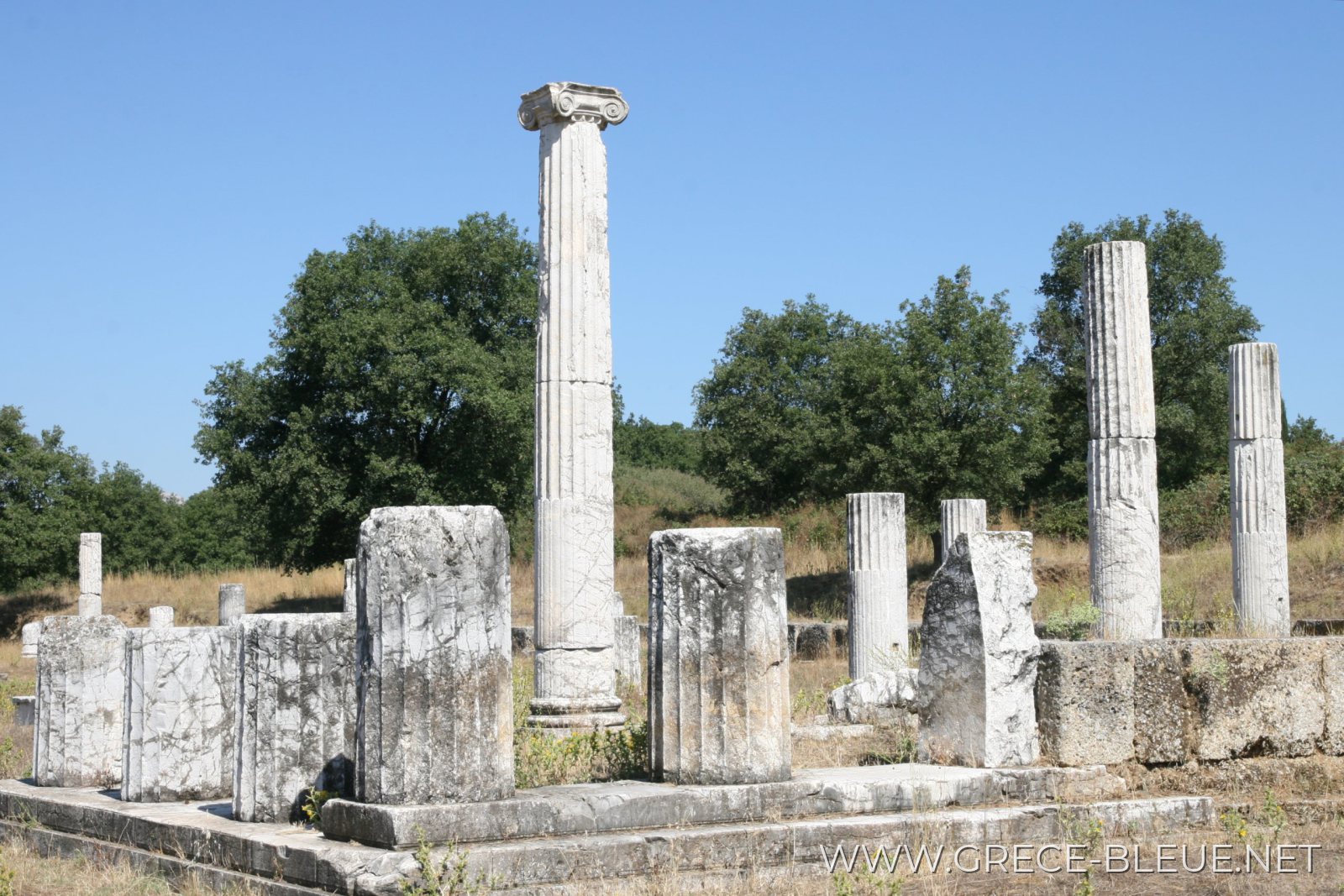
Philippeios stoa, Megalopolis
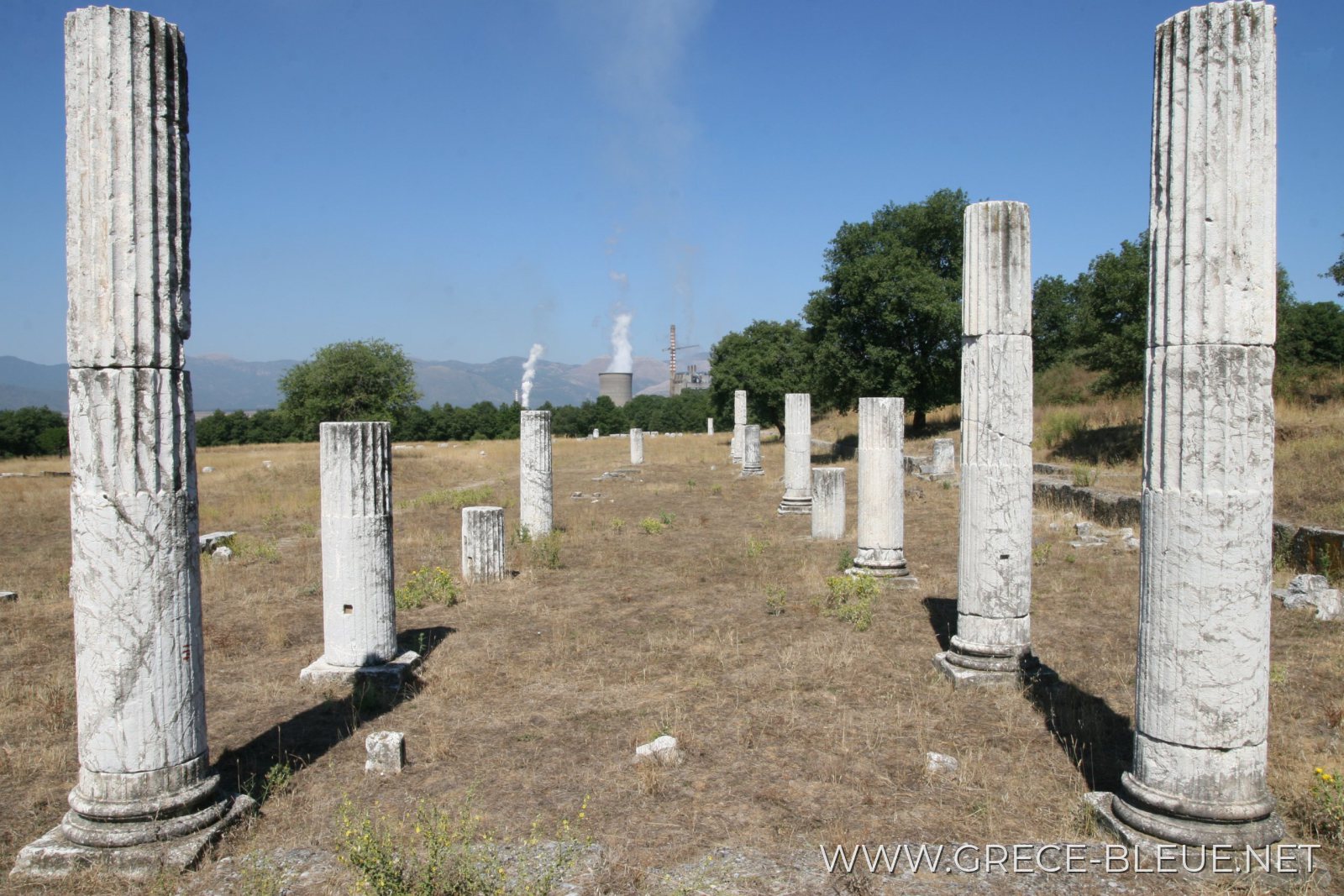
Ancient Megalopolis
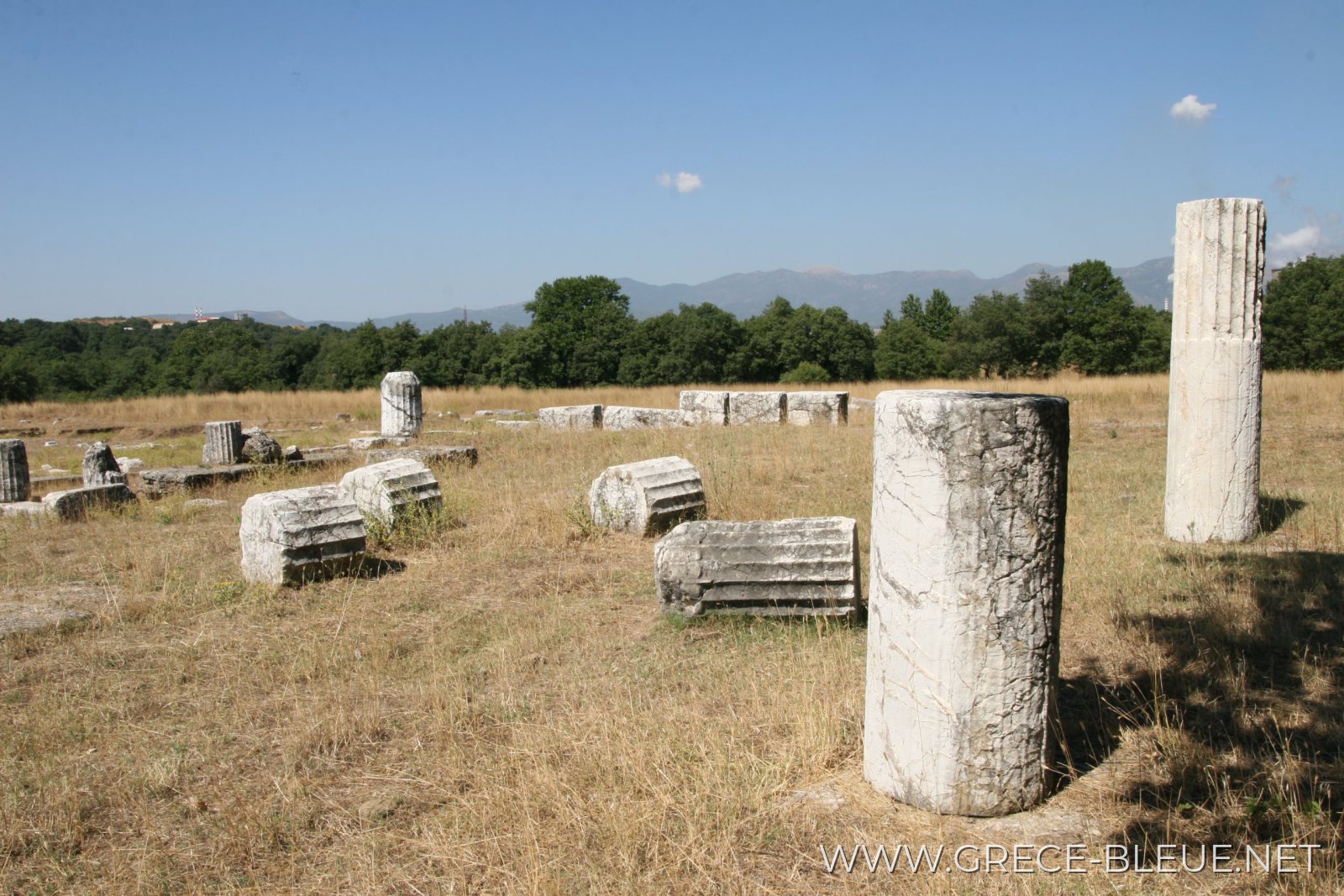
Ancient Megalopolis
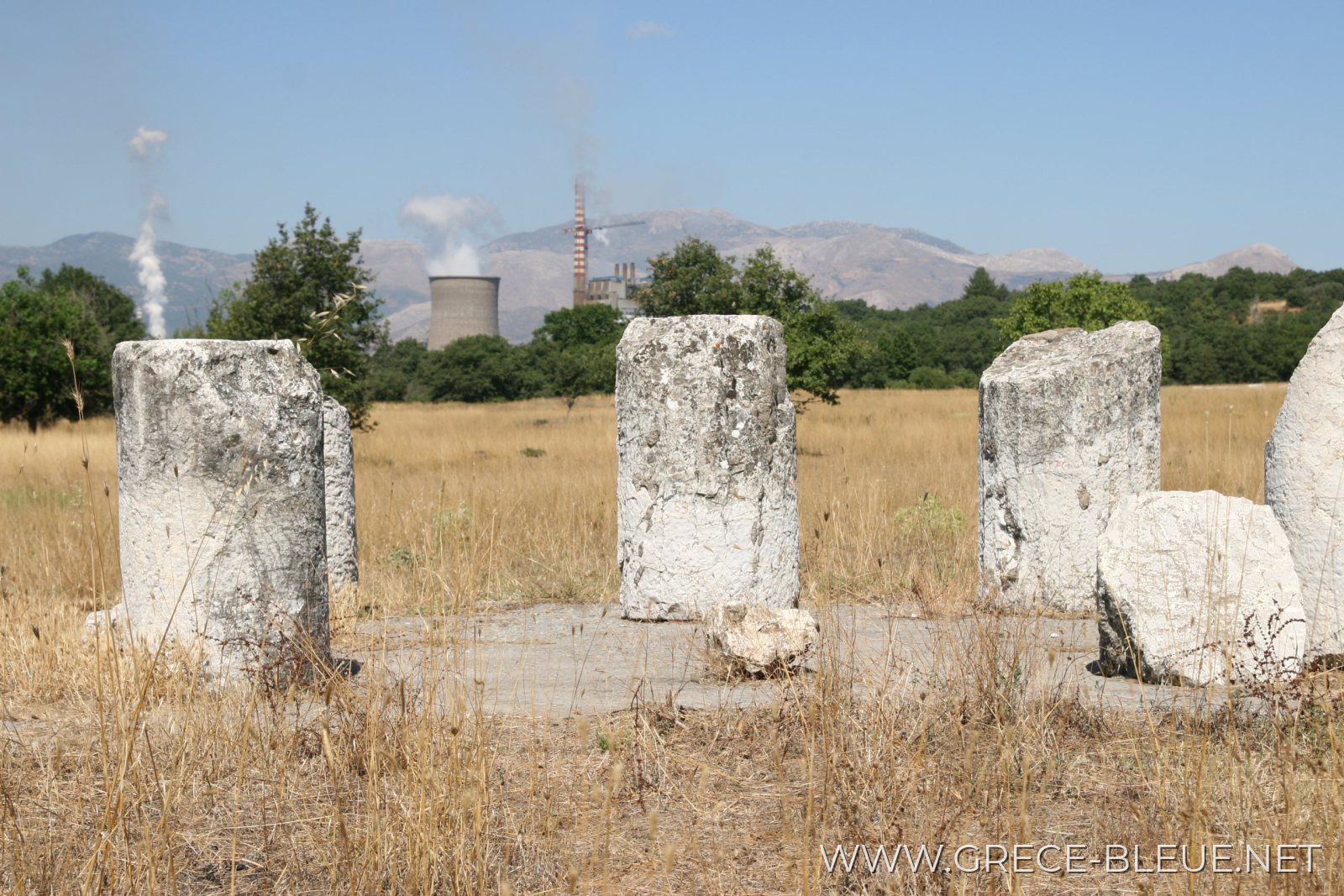
Ancient Megalopolis
Further west, in the mountains near ancient Phigalia, the Temple of Apollo Epicurius at Bassae★★ belongs to the same great cultural landscape of western Arcadia. Built in the 5th century BC by the Phigalians on an isolated mountain site, this sanctuary, now a UNESCO World Heritage Site, is one of the major ancient monuments of the Peloponnese. Together with Mount Lycaeus and Lycosoura, it recalls the particular importance of mountain sanctuaries in Arcadian religious traditions.
Map and places in Mount Lykaion and Lykosoura
Nearby places to stay
On the same theme