Mantinea, Tegea and surroundings
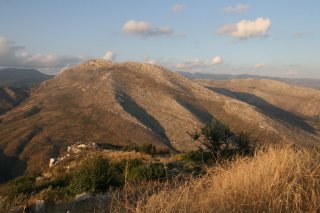
At the heart of the Tripoli high plateau, Mantinea and Tegea were the two main cities of ancient Arcadia. Long-time rivals, sometimes allies against neighbouring powers, they controlled the agricultural plains and the routes crossing the centre of the Peloponnese.
With their peaceful, seldom-visited sites, Mantinea and Tegea are far less monumental than Mycenae or Olympia, but together they make one of the most interesting archaeological visits in Arcadia. Mantinea impresses above all with the extent of its fortified city and its theatre, while Tegea stands out for the prestige of the sanctuary of Athena Alea and the quality of its museum.
Mantinea, a fortified city on the Arcadian plateau
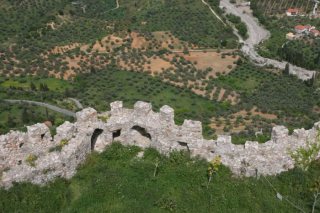
Mantinea occupied a vast plain north of Tripoli. The city was reorganised in the 4th century BC and surrounded by an impressive circuit wall punctuated by some 120 towers★★ and several gates. Significant stretches of these fortifications are still visible and give an unusual sense of the extent of the ancient city.
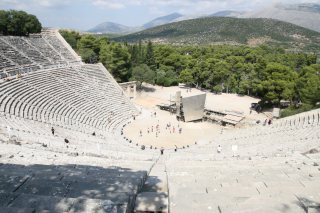
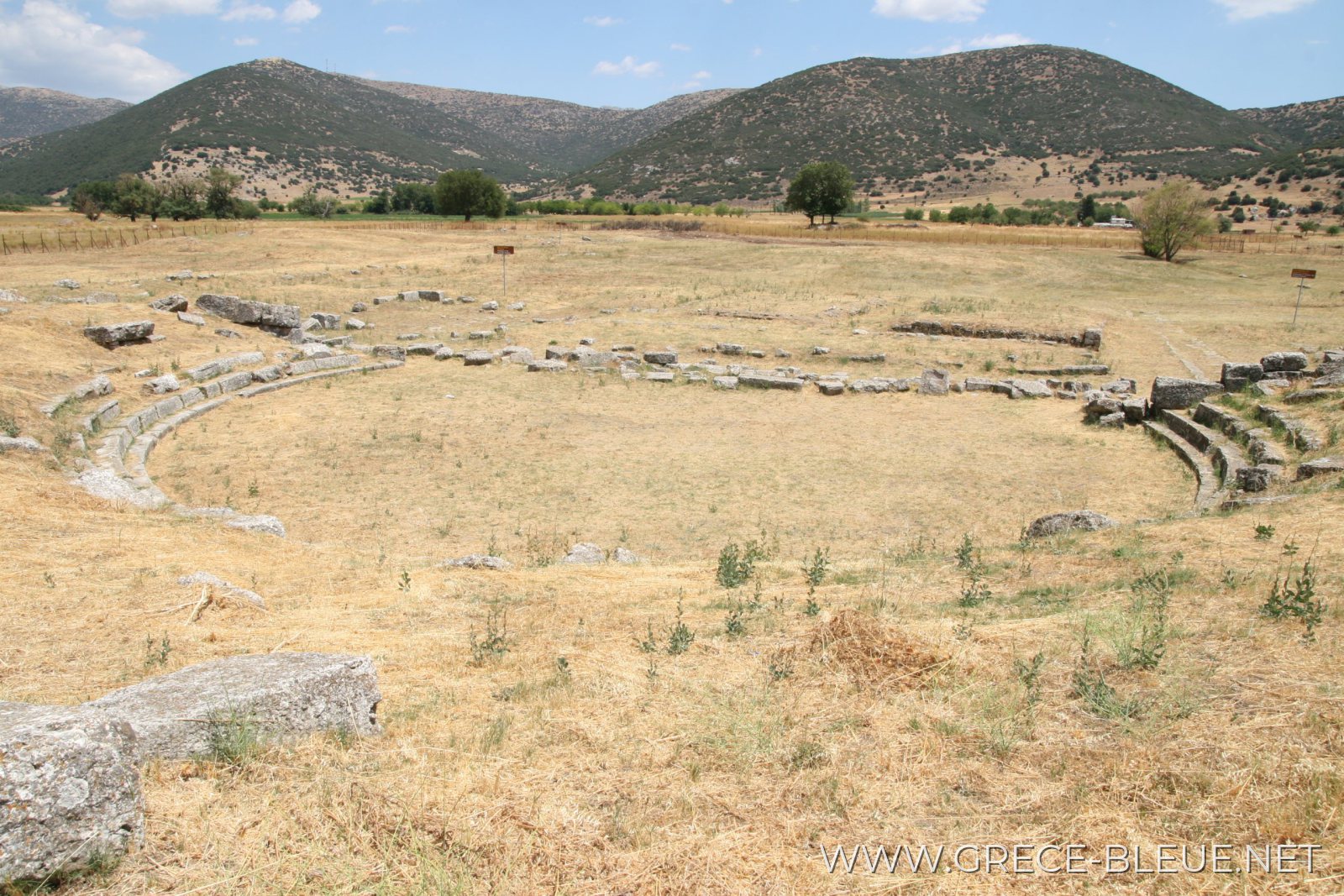
At the centre stood the agora, around which survive the remains of the theatre, temples and several large public buildings. The theatre★, built on an artificial embankment, preserves its orchestra and part of its seating. Nearby, sanctuaries dedicated to Hera and to Zeus Soter have been identified.
Mantinea also held an important place in Greek military history. In 362 BC, its surroundings were the setting of the great Battle of Mantinea, won by the Thebans but marked by the death of their leader Epaminondas. This fruitless victory contributed to the weakening of the great Greek powers before the rise of Macedon.
Right next to the ancient site stands the astonishing church of Agia Fotini★ in Mantinea, built from the 1970s onwards by the architect and painter Kostas Papatheodorou. Its deliberately eclectic architecture blends forms inspired by ancient Greece with Byzantine and popular traditions. The interior also combines original mosaics and paintings.
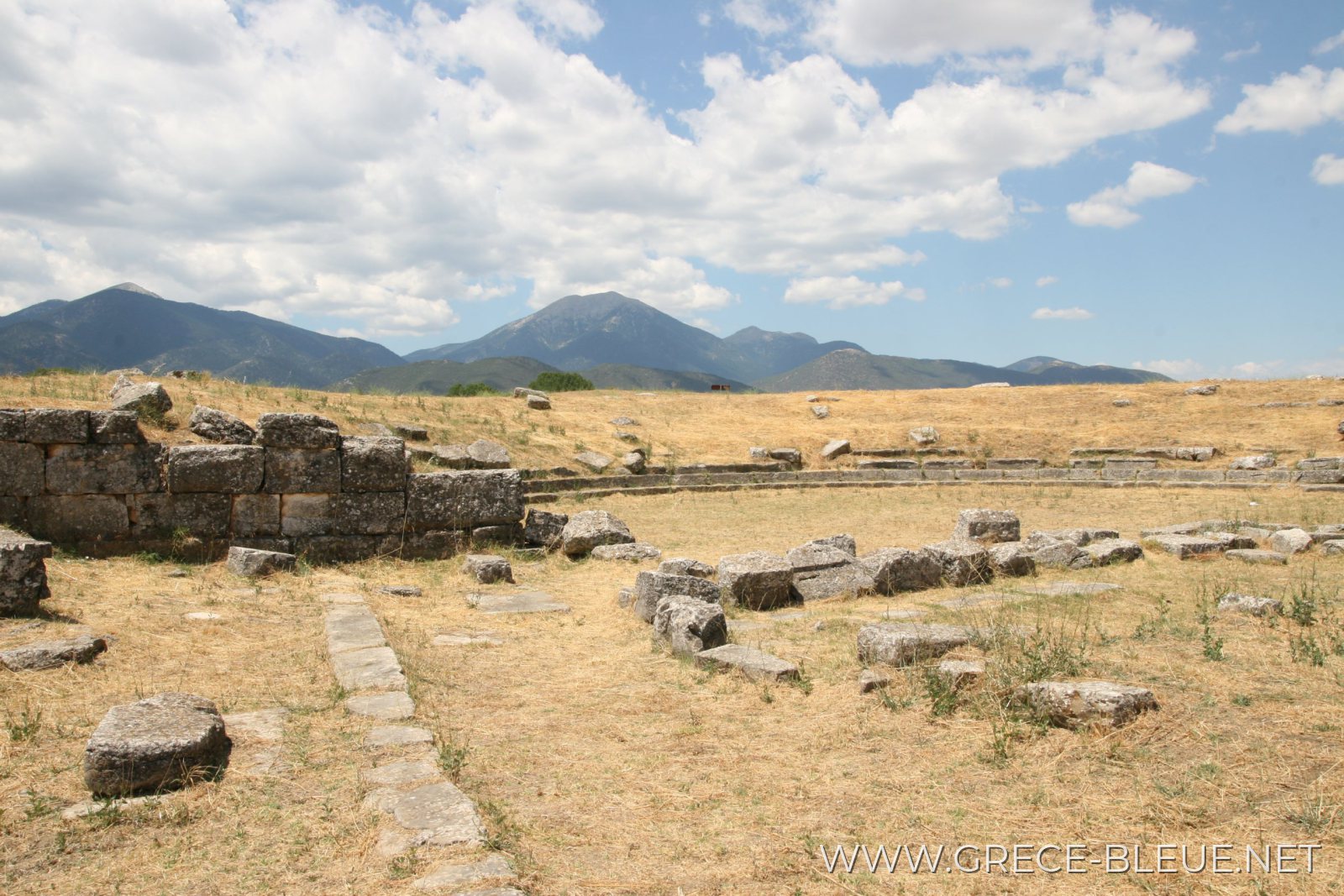
Ancient theatre, Mantinea
Ancient theatre, Mantinea
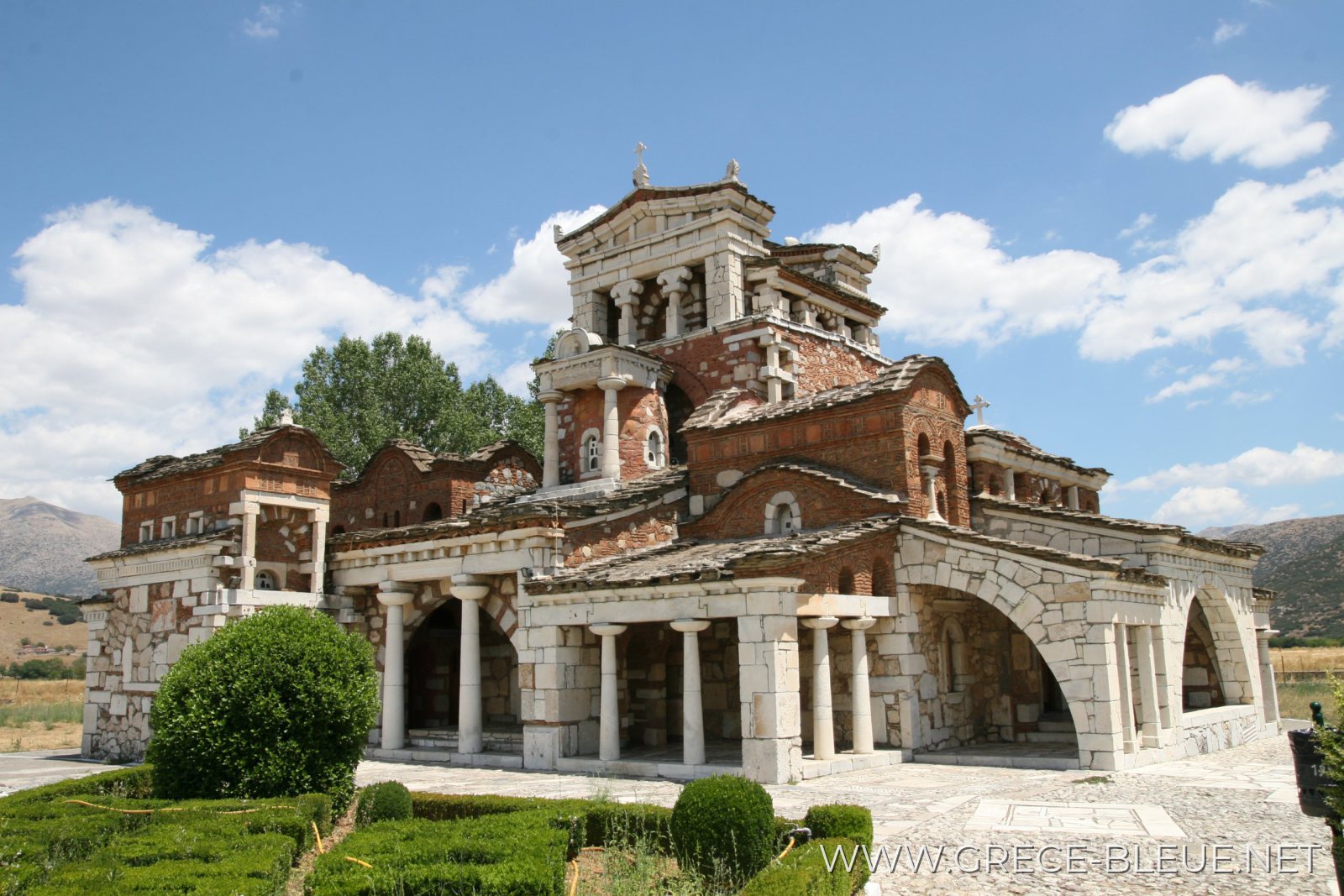
Agia Fotini in Mantinea
Tegea and the sanctuary of Athena Alea
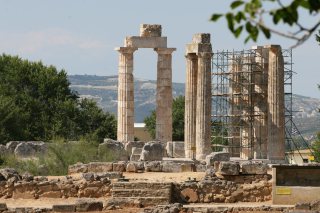
South-east of Tripoli, Tegea was the other great power of ancient Arcadia. The city, formed from the merging of several communities, controlled a fertile plain and an important route towards Laconia. Its principal monument was the sanctuary of Athena Alea★★, one of the most prestigious religious sites in the Peloponnese.
After an older temple was destroyed by fire in the 4th century BC, a new monumental building was constructed under the direction of Scopas of Paros, one of the great sculptors and architects of the classical period. Entirely of marble, the temple was among the most important in the Peloponnese and was renowned as much for its architecture as for its sculpted decoration.
The present site preserves its foundations and numerous architectural blocks. The nearby Archaeological Museum of Tegea★, one of the oldest museums in the Peloponnese, complements the visit particularly well with sculptures, reliefs, funerary objects and finds from the sanctuaries and the ancient city.
Around Mantinea and Tegea: Tripoli and Kapsia
Tripoli, located between the two sites, is the most convenient base for exploring the central plateau. Its Archaeological Museum brings together objects from different parts of Arcadia. North of Mantineia, the Kapsia Cave offers a completely different kind of visit with its large underground chambers and concretions, at the foot of the Mainalon massif.
Map and route
In the Peloponnese region
Nearby places to stay
On the same theme